There's no getting around the fact fulfillment has a huge impact on your customer experience.
Customers won't separate your fulfillment operation from your brand; if delivery is slow or products are difficult to return, they won't blame logistics — they'll blame you.
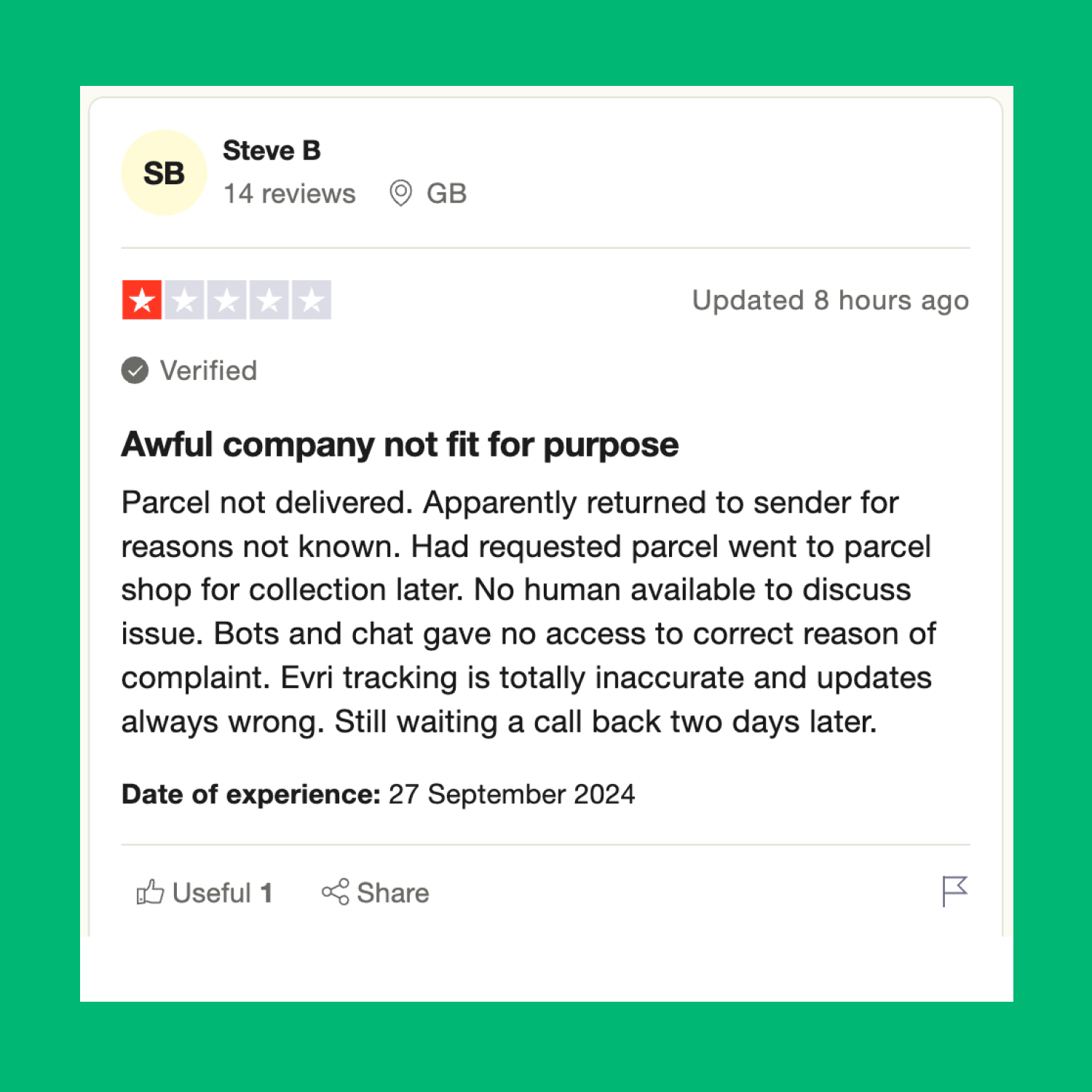
In a review-driven economy, that blame is visible.
Poor fulfillment doesn't just give your brand operational headaches. When mistakes hit the customer, your brand will get more negative reviews, churn increases, and you'll run into inflated customer acquisition costs.
When your fulfillment setup is optimized with perks like localized centres and returns management, your brand's reputation and perception will improve as a result.
Let’s break down how eCommerce fulfillment improves customer experience.
What eCommerce fulfillment actually includes
Before diving deeper, let's take a look at what you should expect from a third-party eCommerce fulfillment provider that will position your brand for growth.
- Inventory storage and management
- Order processing and picking
- Shipping and last-mile delivery
- Delivery speed optimization
- Tracking visibility
- Returns and reverse logistics
- Cross-border shipping and customs handling
If any of these areas fail, your customers will start to feel it in one way or another.
Where poor fulfillment breaks the customer experience
1. Slow delivery erodes trust
Delivery speed has become a benchmark for reliability and customer satisfaction, with the 'Amazon effect' causing expectations to rise sharply across the US market.
Speed alone isn't the issue, however.
If your estimated delivery window says 3-5 days and the package arrives in nine, trust declines instantly. Even one late delivery can reduce repeat purchase intent.
Nearly one in three customers (32%) will completely stop purchasing from a brand they love after just one bad experience, and delivery delays are certainly included in that experience.
If you're a growing brand, especially one that's expanding into new markets, slow cross-border shipping can damage repeat purchase rates quickly.
When inventory isn't localized, transit times can fluctuate significantly depending on customer geography. A customer in California might receive their order in two days, but those in Europe may have to wait seven.
Inconsistency in delivery performance creates an uneven customer experience, and therefore uneven review sentiment.
3. Complicated returns are a retention killer
Returns aren't an afterthought for customers anymore, but instead a key part of the buying decision.
Total returns in the US were forecast to reach $850 billion in 2025, highlighting the expectation across the nation that returns should be easy and low-friction — especially in categories like fashion, beauty and electronics.
When returns are:
- Slow to process
- Expensive for the customer
- Cross-border and complicated
- Difficult to track
…customers hesitate to purchase again.
Reverse logistics directly impacts customer lifetime value (CLV) — difficult returns cost more than just the transaction, as it risks the future revenue of that customer purchasing from you again.
When you're expanding internationally, returns become even more complex. If a UK or EU customer has to ship returns back to a US location, costs and transit times increase dramatically, making the stock localization advantage even greater.
4. Poor global fulfillment strategy creates silent revenue leaks
This is where many of the brands that look beyond the US struggle.
Serving international customers from a single domestic warehouse leads to:
- Extended transit times
- Customs delays
- Unexpected duties and taxes
- Higher shipping costs
- Complicated returns
Localized inventory placement — positioning stock closer to demand markets — changes the equation entirely.
Localized fulfillment improves:
- Delivery speed
- Delivery predictability
- Cost transparency
- Returns efficiency
- Customer satisfaction
When global customers receive domestic-level service in international markets, it'll strengthen your brand perception massively. For scaling businesses looking beyond US borders, this level of operational maturity is often the difference between stalled expansion and sustainable growth.
The review economy: where fulfillment becomes public
A lot of customers don't write reviews when everything runs smoothly, but instead take to review sites when something goes wrong.
Over half (54%) of US consumers put their trust in online reviews when purchasing a product, outweighing the views of family and friends (24%), company claims (18%) and social media influencers (2%).
The financial impact: how poor fulfillment hurts your bottom line
At a basic level, eCommerce fulfillment improves the customer experience by reducing friction and increasing trust across the post-purchase journey.
An optimized fulfillment setup improves consumer experience by:
- Reducing delivery times through distributed inventory
- Increasing delivery predictability with consistent SLAs
- Providing real-time tracking visibility
- Simplifying returns through localized reverse logistics
- Reducing customs friction in global markets
- Ensuring order accuracy at scale
It's pretty simple. When customers receive orders quickly and without complication, can return easily, and global shipping feels local, they'll buy from you again if the product meets expectations.
This is how eCommerce fulfillment improves the customer experience in measurable ways: faster delivery, predictable service, easy returns, and localized stock placement to increase retention and lifetime.
When it’s time to rethink your fulfillment partner
For a growing US business, there are clear signals that fulfillment is becoming a growth constraint:
- Increasing support tickets about delivery delays
- Rising negative reviews mentioning shipping
- Repeat purchase rate declining
- International shipping costs eroding margins
- Expansion plans stalled by logistics limitations
When your business reaches a certain level, fulfillment becomes much more than just shipping boxes, but the operational infrastructure that drives customer loyalty and satisfaction.
if your brand wants to reach the next level on a global scale, distributed inventory, consistent service levels and integrated technology will get you there.
That's where a strategic fulfillment partner becomes part of your growth engine, rather than just getting boxes from A to B.
Fulfillment is your retention strategy
Acquiring new customers is expensive, and losing them because your fulfillment lets you down is even more expensive.
For growing US eCommerce brands, especially those expanding globally, fulfillment is one of the most overlooked drivers of profitability.
Your marketing might drive the first sale, but fulfillment has a big part to play in the second.
In eCommerce, those second sales are where the real growth comes in.


 By Ryan Johnson
.jpg?width=300&name=What%E2%80%99s-Next-for-Demand-Forecasting-blog-advert%20(1).jpg)