Inventory visibility has become one of the most important factors in modern eCommerce. And we don’t make that statement lightly.
Customers expect accurate stock availability. Operations teams need confidence in inventory levels. Customer service teams need visibility of orders. And business leaders want a clear view of what's happening across their supply chain.
In short, nobody wants to discover they've sold a product they don't actually have.
This is why real-time inventory tracking has become a core feature offered by many modern fulfilment providers and third-party logistics (3PL) partners.
But what exactly does real-time inventory tracking mean? How does it work? And which fulfilment providers offer real-time inventory and order tracking?
In this guide, we'll explain how real-time inventory tracking systems work, the technologies that power them, and the benefits they can bring to growing eCommerce brands.
What is real-time inventory tracking?
Real-time inventory tracking is the ability to monitor inventory levels, stock movements, order progress and fulfilment activity as they happen.
Rather than relying on manual stock updates or overnight reporting, a real-time inventory tracking system continuously updates inventory information whenever stock is received, moved, picked, packed or dispatched.
This gives businesses immediate visibility into:
- Current stock levels
- Inventory locations
- Order status
- Goods received
- Stock movements
- Dispatch activity
- Returns processing
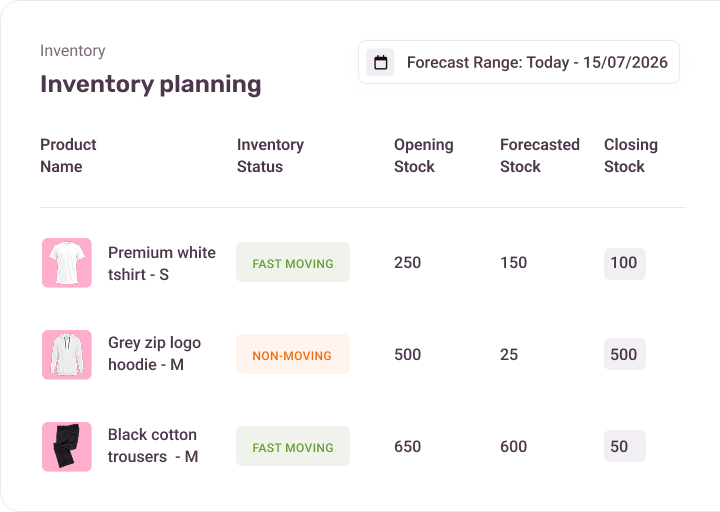
For eCommerce brands, this means decisions can be made using accurate, up-to-date information, rather than yesterday's data.
And when customer expectations are measured in hours rather than days, that visibility matters.
Why real-time inventory tracking matters
Not that long ago, many businesses relied on batch updates and manual inventory management. So old school.
Stock levels might only update once or twice a day. Order information could take hours to sync between systems.
That approach becomes increasingly difficult as order volumes grow.
If your website says you have stock available, but your warehouse sold the last item an hour ago, problems tend to follow fairly quickly.
Common issues caused by poor inventory visibility include:
- Overselling products
- Stockouts
- Delayed order processing
- Customer service complaints
- Inaccurate forecasting
- Poor marketplace performance
- Lost sales opportunities
Real-time inventory tracking helps eliminate many of these challenges by providing a single, accurate view of inventory and fulfilment activity.
How does a real-time inventory tracking system work?
A real-time inventory tracking system relies on several technologies working together behind the scenes.
While the customer experience may seem simple, there's actually a lot happening every time an order is placed.
Warehouse management systems (WMS)
At the heart of most real-time inventory tracking systems is a Warehouse Management System (WMS).
A WMS controls and records warehouse activity, including:
- Goods received
- Inventory storage
- Picking
- Packing
- Dispatch
- Returns
Every movement of stock is recorded within the system.
As inventory moves through the warehouse, the WMS updates stock information automatically.
This creates a continuously updated picture of inventory levels across the operation.
Barcode scanning and scan events
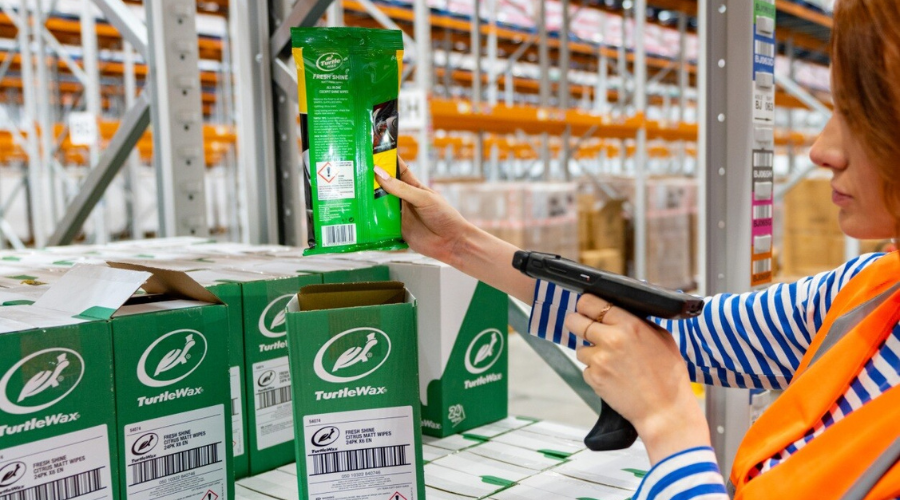
Most modern warehouses use barcode scanning technology to track inventory movements.
Every time a product is:
- Received
- Put away
- Picked
- Packed
- Dispatched
- Returned
A scan event is created.
These scan events update the WMS immediately, ensuring inventory data remains accurate. Think of it as creating a digital trail for every product moving through the warehouse – without the need for somebody to manually update a spreadsheet at the end of the day.
Platform integrations
A real-time inventory tracking system becomes even more powerful when integrated with eCommerce platforms.
Modern fulfilment providers often integrate directly with platforms such as:
- Shopify
- WooCommerce
- Magento
- Amazon
- eBay
- TikTok Shop
- ERP systems
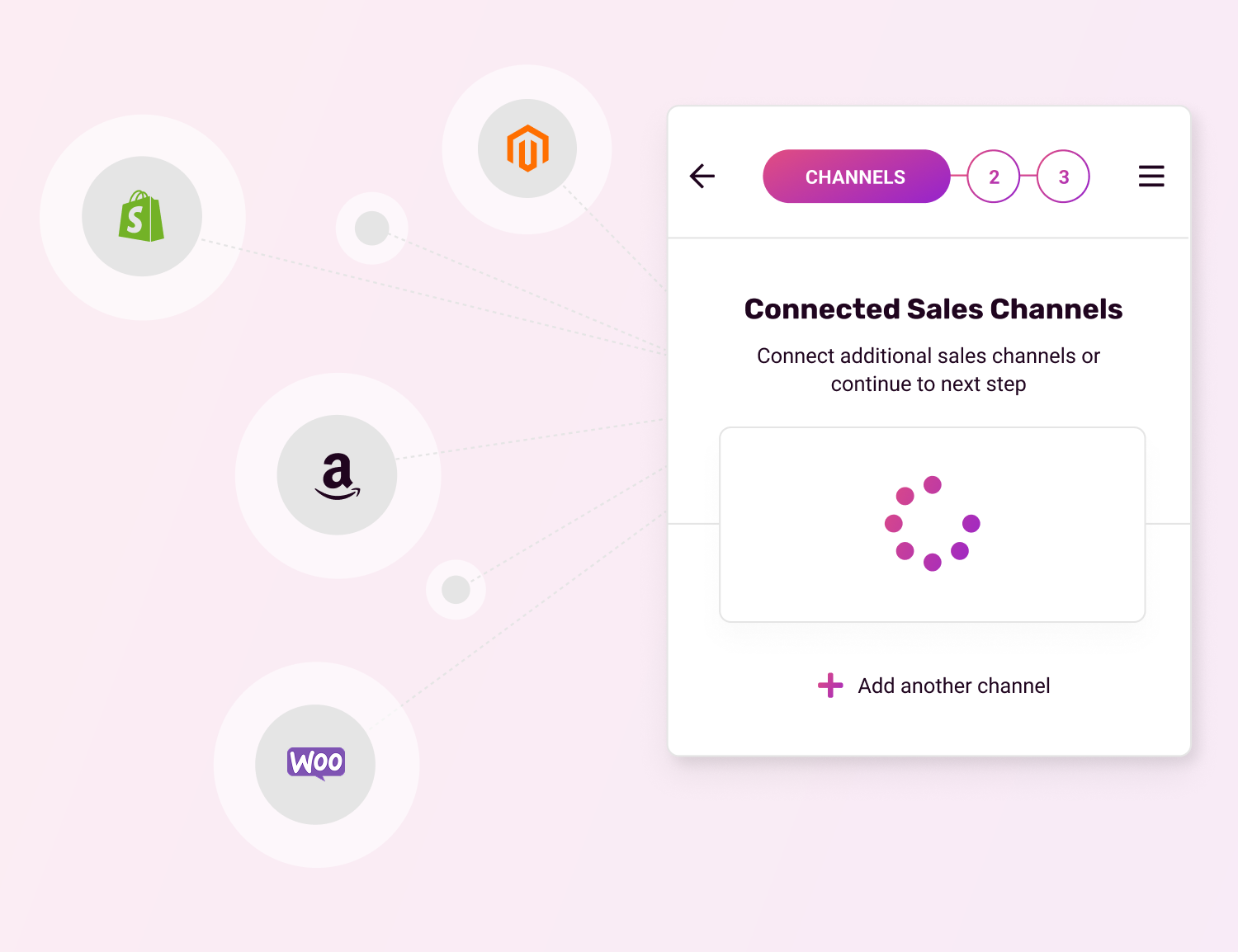
When an order is placed, information flows automatically between systems.
Stock levels update. Orders are routed for fulfilment. Tracking information is generated.
The result is greater visibility across the entire order lifecycle (and less stress for you).
Carrier integrations
Real-time tracking doesn't stop once a parcel leaves the warehouse. Many fulfilment providers also integrate directly with carrier networks.
This allows brands to access live delivery information, including:
- Dispatch confirmation
- Transit updates
- Delivery attempts
- Proof of delivery
Customers can often access tracking updates through branded tracking pages, helping improve transparency and reduce customer service enquiries.
Because "Where is my order?" remains one of the most common questions in eCommerce.
Which fulfilment providers offer real-time inventory and order tracking?
Today, many leading fulfilment providers offer some form of real-time inventory and order visibility.
However, not all solutions provide the same level of functionality.
When evaluating fulfilment partners, brands should look beyond marketing claims and understand exactly what ‘real-time’ means in practice.
Some providers offer:
- Live inventory visibility
- Real-time order tracking
- Warehouse scan events
- Customer-facing tracking portals
- Returns visibility
- Marketplace integrations
- Reporting dashboards
Others may rely on periodic updates or delayed reporting.
The best fulfilment providers combine modern warehouse management systems, platform integrations and customer-facing visibility tools to provide a complete view of operations.
fulfilmentcrowd offers real-time inventory tracking via its global fulfilment platform, giving customers an up-to-date view of stock across sales channels and worldwide locations.
Plus, with deep integration capabilities, the fulfilmentcrowd platform allows brands to sell across multiple channels and see stock information reflect customer activity in real-time within a single interface.
What should brands look for in a real-time inventory tracking system?
Not all real-time inventory tracking systems are created equal.
When evaluating platforms with real-time inventory tracking, it's worth considering several key capabilities.
Inventory visibility
Can you see inventory levels in real time?
Can you monitor stock across multiple locations?
Can you identify low-stock products before they become a problem?
These are often the most important questions for growing brands.
Order visibility
A good system should provide visibility throughout the fulfilment process.
This includes:
- Order received
- Picking
- Packing
- Dispatch
- Delivery
The more visibility available, the easier it becomes to manage customer expectations.
Marketplace and platform integrations
Many brands now sell across multiple channels.
A strong real-time inventory tracking system should integrate with:
- Shopify
- Marketplaces
- ERP systems
- Customer service platforms
This helps maintain a single source of truth across the business.
Returns visibility
Returns are often overlooked when discussing inventory tracking.
However, visibility into returned inventory can be just as important as visibility into outbound orders.
The best systems allow brands to track returned products as they move through the returns process.
Reporting and analytics
Real-time visibility is valuable. But actionable insight is even better.
Modern systems should provide reporting that helps brands understand:
- Inventory performance
- Fulfilment trends
- Order volumes
- Stock movement
- Returns activity
This supports better planning and forecasting.
The benefits of real-time inventory tracking
So what does all of this visibility actually achieve? Let's look at some of the key benefits.
Improved inventory accuracy
Accurate inventory data helps reduce overselling and stockouts.
When stock information updates automatically, businesses can make decisions with greater confidence – particularly during busy periods when inventory levels change rapidly.
Better customer experience
Customers expect transparency. Real-time order tracking helps keep customers informed throughout the delivery process.
This can improve satisfaction while reducing support requests.
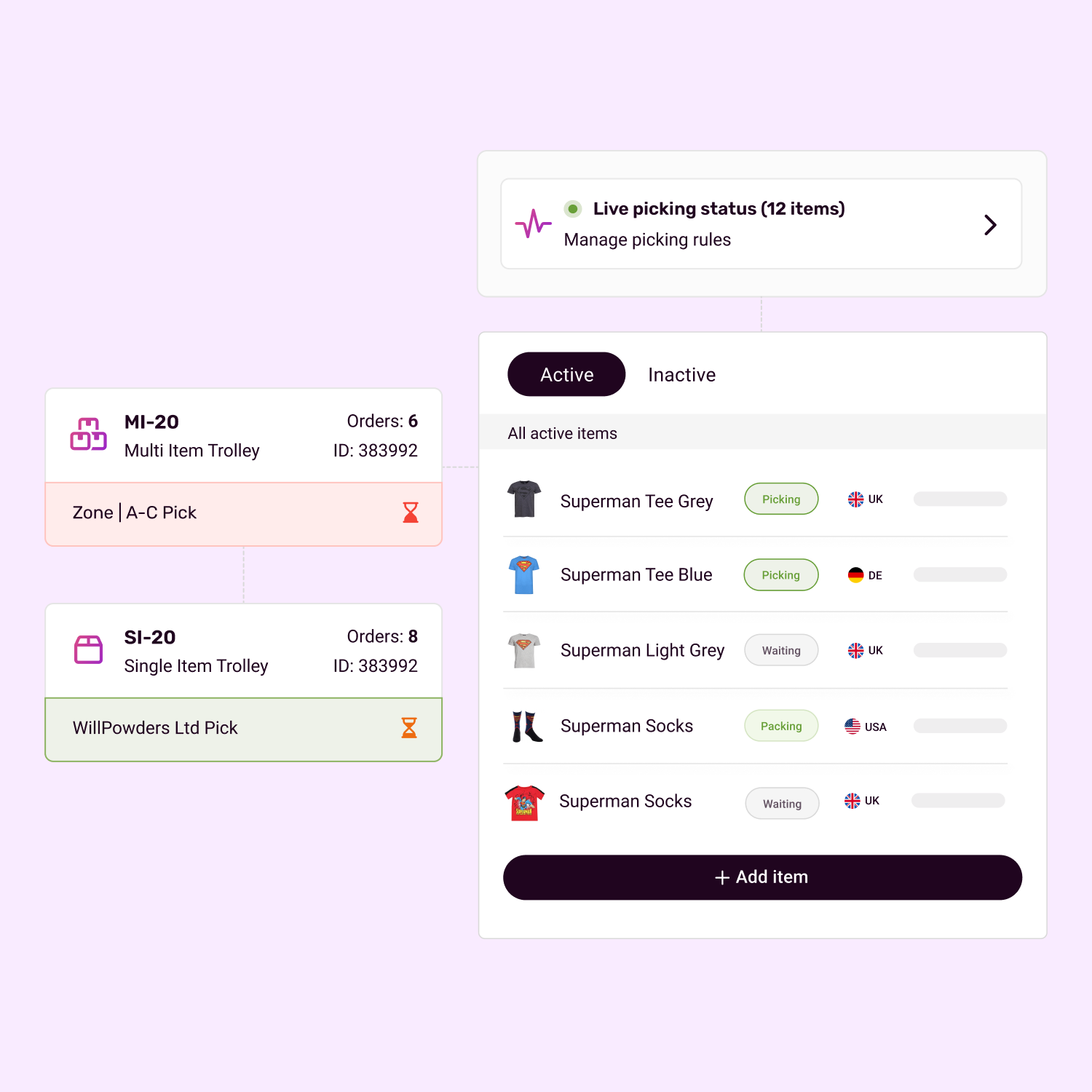
Faster issue resolution
When problems occur, visibility helps teams respond quickly.
Rather than investigating across multiple systems, teams can often identify issues immediately.
Which is considerably preferable to spending two hours trying to locate an order that appears to have vanished into the logistics equivalent of the Bermuda Triangle.
More efficient operations
Automated updates reduce manual administration.
Teams spend less time chasing information and more time focusing on growth and customer experience.
Better forecasting and planning
Real-time inventory data supports more accurate forecasting.
Businesses can identify trends, monitor stock performance and plan inventory requirements more effectively.
Improved marketplace performance
Many marketplaces place strong emphasis on stock availability and fulfilment performance.
Accurate inventory tracking can help brands maintain better seller performance metrics and reduce the risk of overselling.
Why real-time visibility is becoming the competitive advantage
As eCommerce continues to evolve, visibility is becoming increasingly important.
Customers expect it. Retailers need it. Operations teams rely on it.
The ability to access accurate, real-time information across inventory, fulfilment and delivery processes is no longer simply a nice-to-have feature.
It's becoming a core requirement for scaling effectively – particularly for brands operating across multiple sales channels, marketplaces and regions.
When you think about it, visibility feeds everything. Your website stays accurate, warehouse staff know exactly where they’re at, and – most importantly – customers are better informed.
Final thoughts
Real-time inventory tracking gives eCommerce brands the visibility needed to manage inventory, fulfilment and customer expectations more effectively.
Modern fulfilment providers achieve this through a combination of warehouse management systems, barcode scanning, platform integrations and carrier tracking technology.
The result is a more connected operation with greater transparency across the entire order journey.
When evaluating fulfilment providers, brands should look beyond basic tracking capabilities and consider the broader visibility tools available.
Because while inventory may live in the warehouse, the decisions that drive growth depend on being able to see it clearly.


/2026-09-01/Tech.png?width=640&name=Tech.png)