
Ah, January. The month of returns. Just as you begin to high-five your team after another successful festive period, return rates climb to 31.2% – up from the average of 16.9% in other months of the year.
What does this tell us? That it ain’t over ‘til it’s over. With 71% of UK online shoppers returning items ‘at least some of the time,’ it’s clear that sending products back is a common behaviour for the modern buyer.
When you add Christmas to the mix, return rates skyrocket. Whether it’s Nan buying the wrong football kit or your brother guessing your size (again), it’s easy to see why so many products are returned in January.
That being said, returns don’t have to cause stress. With the right eCommerce returns management strategies in place, you’ll make customers happier and prevent your hard-earned margin from being eaten into like a mince pie on Christmas Day. Yum.
The costs of poor returns: more than just money
UK shoppers were forecast to return £25.1 billion of non-food items in 2025 alone, so it’s crucial that your brand is ready for increased returns expectations in the early part of 2026.
The key thing from a business standpoint is limiting costs as effectively as possible. Returns costs are more than just refunds, but also handling, labour, shipping and restocking – all of which come with their own financial requirements.
And then there’s the customer loyalty aspect. Over half of UK adults say that a returns policy has influenced their decision to buy from a company, so a good returns process is worth building.
This doesn’t just get customers through the door, but keeps them around. Up to 84% of shoppers won’t buy from you again after a bad returns experience. That’s a lot of people you're effectively sending to your competitors.
The goal: turning reactive returns into a scalable returns strategy
Many brands still handle returns reactively; orders come back, teams process them, refunds are issued when capacity allows, and before you know it, January makes you wish 2026 was over already.
The problem isn’t just the volume of returns itself, however. If you’ve got the right foundations, volume doesn’t really come into the equation. What causes the real pressure is a lack of planning and/or scalability when the returns wave comes.
A scalable returns strategy treats returns as a core part of the fulfilment family. This means creating processes designed for seasonal peaks, maintaining visibility over all stock (in and out), and keeping customers happy – even when returning products.
Effective eCommerce returns management balances customer experience and operational control, giving shoppers the speed and simplicity they expect while protecting your team’s sanity in the first month of the year.
In the end, it all comes down to applying the right strategies across the returns journey. Let's see how that’s done.
How to improve your eCommerce returns management processes
If returns are already causing chaos for your team, follow these tips to get them back on track.
1. Reduce avoidable returns
A lot of returns can be prevented before the customer even adds the item to their basket. No, we’re not talking about stepping into a time machine (although that would be pretty cool). We’re talking about slightly more boring stuff, like online sizing tools or product detail improvements.
The more information your customers have before they buy, the more likely they are to get it right first time, and the less likely they are to resort to dreaded tactics such as bracketing.
Use returns reason data to finetune product descriptions over time, and look into capabilities like virtual changing rooms to take your online shopping experience to the next level.
2. Make returns as easy as possible for the shopper
When it comes to returns, simple is best. Convenience is what shoppers want, so convenience is what you’ve got to give.
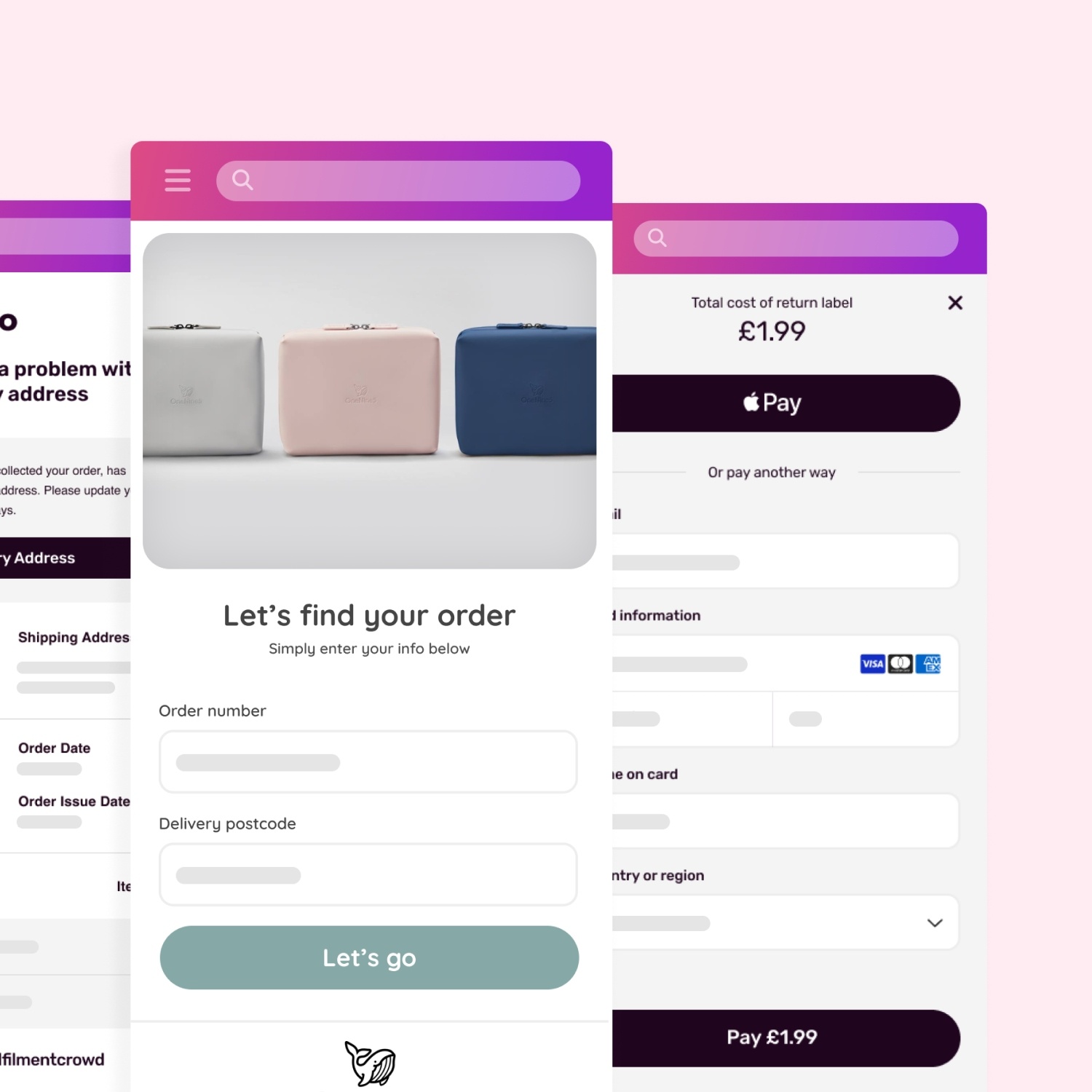
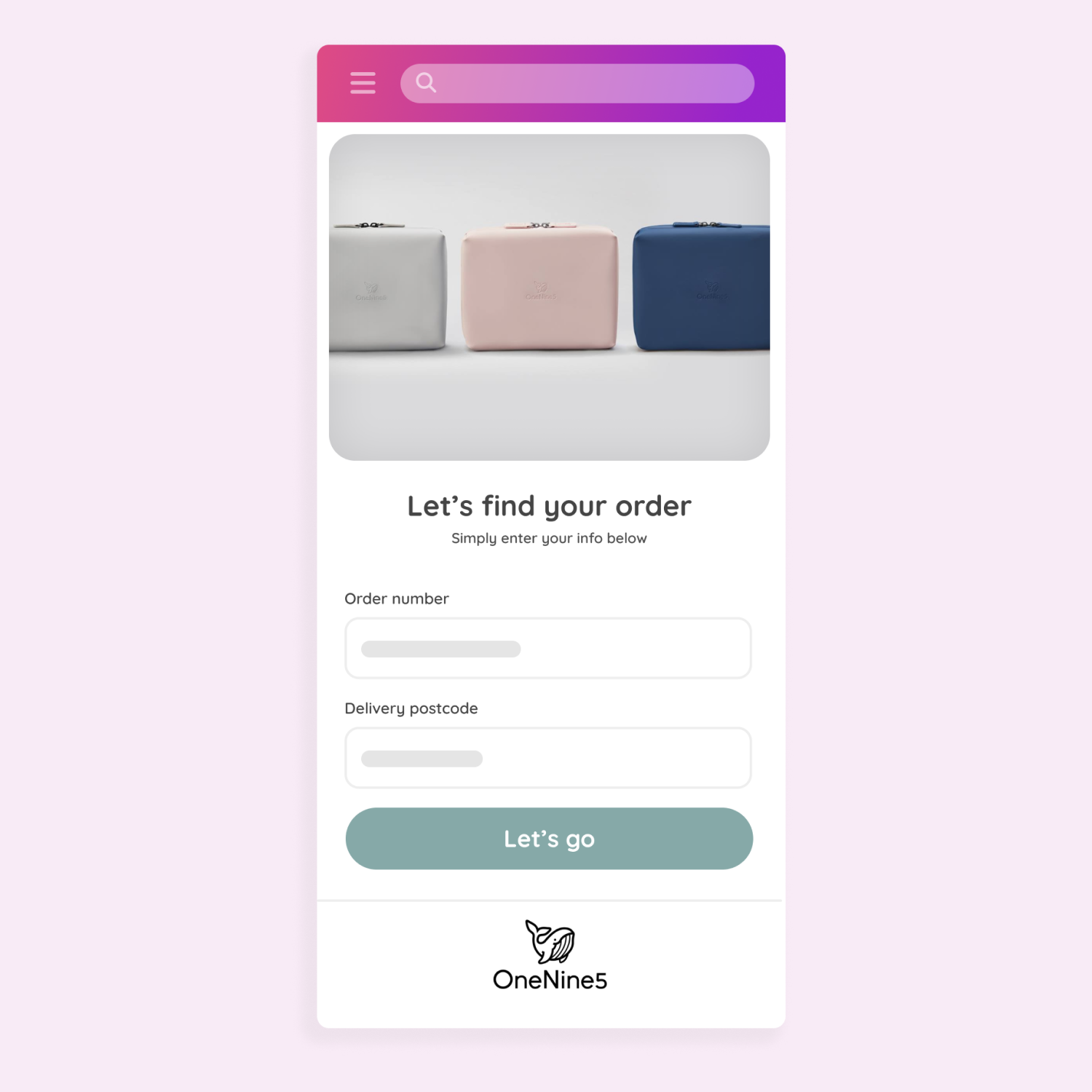
Clear instructions and policies, an easy-to-use returns portal and proactive communication all reduce friction at the point your customers will be most sensitive to delays.
Offering multiple returns options can also make a big difference for shoppers. Drop-off locations, parcel lockers and collection services give customers flexibility, all while helping you spread volumes more evenly across carriers and locations.
When making returns easy for shoppers, it’s important that you don’t sacrifice complete control. Define your return windows, eligible items and approval criteria to keep the process smooth for customers while protecting margins and preventing abuse.
3. Speed up processing and refunds
Speed is a key part of your returns workflow. Any delays in checking in, inspecting or refunding returns can lead to unhappy customers – especially in January.
Fast check-in, barcode scanning, integrated systems and real-time visibility are all signs of a healthy returns process, helping your business process returns without manual intervention (great for speed).
It’s pretty simple, really. The quicker an item is processed, the sooner a customer gets their refund, and the sooner the item can be made available for sale again.
4. Recover value where you can
A smart returns strategy focuses on recovering value wherever possible, rather than defaulting to write-offs or disposal.
You’ll want to quickly assess returned items and sort them by condition, meaning you can then resell suitable stock as new, reintroduce items at a discounted price, or route products for refurbishment or recycling.
The faster this happens, the more chance you have of recapturing the value of returned items. It’s better for the environment, too. Everyone’s a winner.
The role of fulfilment and technology in smarter returns
When returns volumes grow (like in January), it’s more likely that any weaknesses in your processes will be exposed. This is where good fulfilment comes into the equation.
By processing returns through connected platforms, stock updates in real time, workflows are automated, and you can track items throughout the entire returns journey. All in all, this’ll reduce delays, errors, and any manual effort that slows teams down when volume spikes.
For international brands, fulfilment strategy becomes even more important. In-country returns hubs make it easier and cheaper for customers to send items back, while removing all the friction that comes with cross-border shipping (and re-shipping).
Returned stock can be processed locally, assessed quickly, and either restocked within the same market or sent to a location where demand exists.
A localised approach means easier returns and quicker refunds to keep international customer satisfaction high, while also paving the way for brands to scale beyond their borders.
All things considered, smarter returns depend on treating reverse logistics as part of your fulfilment strategy. When you’ve got the right data, technology and logistics setup, you're far more likely to handle returns with confidence and improve long-term customer loyalty.
How to nail January returns (this year and the next)
For a lot of brands, January returns are a drain on time, cost and resources. But handle them well, and they can become a key loyalty driver in an eCommerce landscape where customers' expectations on convenience and speed continually rise.
Returns are one of the most emotionally charged moments in the customer journey; get it wrong, and they’re unlikely to return. Get it right, however, and it gives shoppers reassurance that they’ve bought from a brand that has their operations in order (and this is why they come back).
Remember: refund fast, communicate clearly, and restock if possible. Brands that approach returns strategically aren’t set up to simply survive the post-Christmas spike, but to strengthen customer loyalty, protect margins, and set a positive tone for the rest of Q1.
When it comes to eCommerce and customer expectations, this all quickly results in a competitive edge.
Key takeaways for retailers facing the January returns peak
- January returns are predictable and should be planned for, not reacted to.
- Returns management is a fulfilment issue, not a customer service task.
- Speed matters: faster processing means quicker refunds, happier customers and better stock recovery.
- Not all returns are losses – recoup value through resale, distribution or exchange.
- Scalable fulfilment infrastructure, supported by technology and flexible capacity, is critical during seasonal peaks.
- In-country returns hubs simplify the process for international customers and reduce cross-border friction.
Handled well, returns don’t have to derail January, but instead help you preserve your strong end to the year.
Getting ahead for next January
Returns will always be part of eCommerce, so if they’re draining your margin, there’s no better time than now to start improving.
January offers a clear lesson: brands that invest in smart returns strategies, integrated fulfilment and flexible infrastructure are better equipped to manage peak pressure without compromising the customer experience.
As eCommerce continues to grow and international expansion becomes more common, returns should never be treated as an afterthought.
Reviewing returns performance while the lessons of January are still fresh will put you in a stronger position for the next peak, and sustainable growth beyond it.