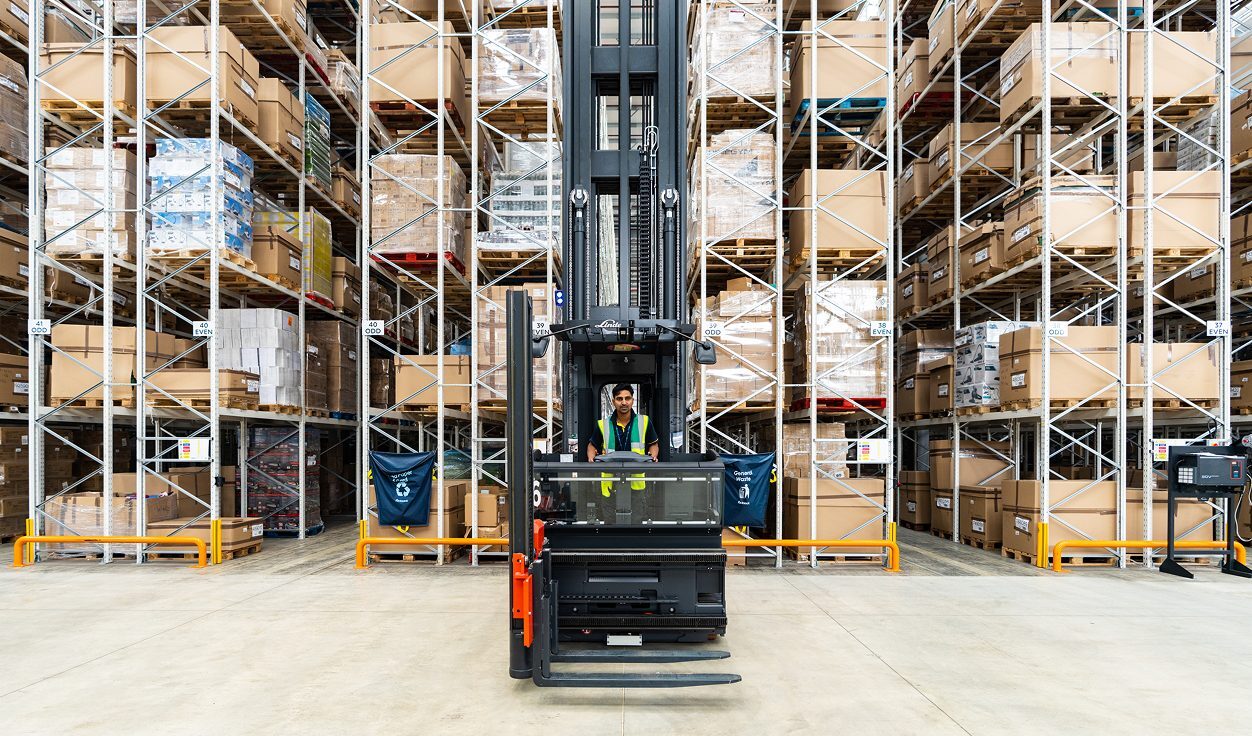
For the best eCommerce brands, fulfilment isn't just something that works behind the scenes. It’s a part of the overall brand experience, and has a big impact on customer satisfaction and retention.
Fulfilment has quietly become one of the clearest separators between eCommerce brands that scale smoothly and those that stall. Speed, returns, inventory placement and automation aren’t “nice-to-haves” anymore; they directly influence conversion rates, repeat purchases, reviews and margin.
Many leading eCommerce brands design fulfilment around the customer first, then optimise operations around what works for their audience.
Below, we look at how the best eCommerce brands actually do this – using real-world examples – and what those patterns reveal about whether your fulfilment model is future-ready.
Fulfilment as brand infrastructure
Fulfilment has seen an important shift from just getting orders from A to B. Instead, leading brands ask:
-
How quickly does the customer feel reassured?
-
How predictable is the delivery promise?
-
How painless is it to send something back?
-
How resilient is this system as volume grows?
This mindset shows up in three areas:
-
Local returns
-
In-country fulfilment
-
Automation and intelligent technology
1. Local returns: Why top brands return closer to the customer
Returns are one of the most emotionally charged moments in eCommerce. Customers don't just want a refund, they want ease and convenience in every step of the returns journey.
That's why the best eCommerce brands have redesigned returns around local access.
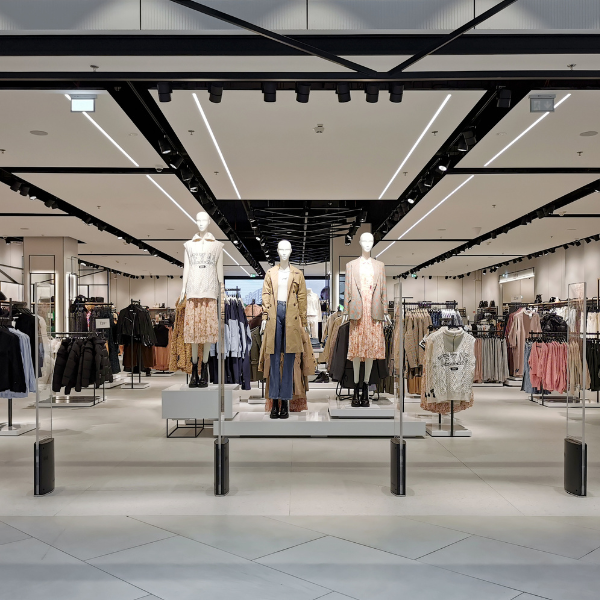
Zara: Drop-off points instead of long return journeys
Zara allows customers to return online orders via local drop-off points for a small fee, or in-store for free. Not only does this give the customer two options, it'll reduce returns journeys by collating returns into focused areas.
This approach:
-
Reduces refund waiting time
-
Lowers support tickets
-
Cuts cross-border return costs
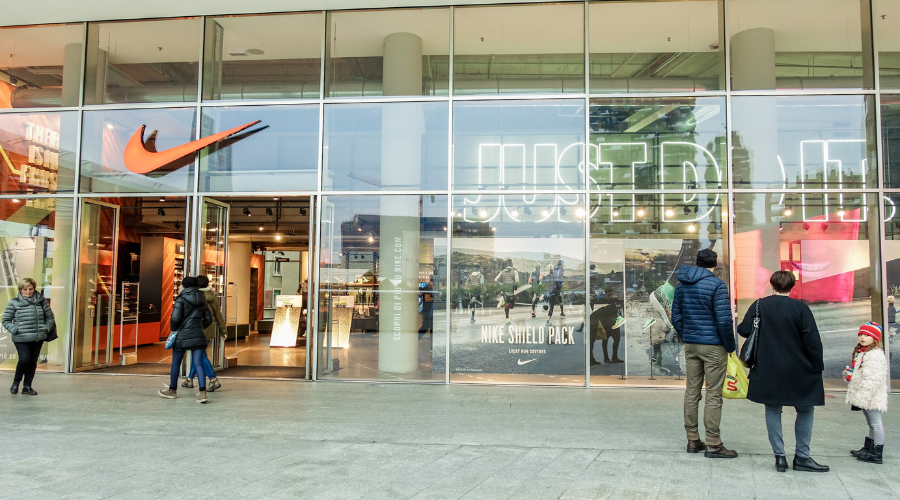
Nike and H&M: Stores as local returns infrastructure
Nike and H&M both allow online purchases to be returned in-store within the same country, effectively turning retail locations into decentralised returns hubs. Can't get to a store? You can post orders back, too.
For customers, in-store returns feel effortless. For brands, it shortens return cycles and improves retention.
2. In-country fulfilment: Predictability and reliability beat 'fast shipping' claims
Customers are less impressed by headline shipping speeds and far more sensitive to delivery accuracy and reliability. By positioning inventory strategically, brands can not only ship fast, but ensure items get where they need to consistently.
That’s why leading eCommerce brands focus heavily on where inventory is positioned, not just how fast it moves.
Amazon: Inventory placement as a delivery strategy
Amazon has repeatedly highlighted that recent improvements in Prime delivery speeds are driven by better inventory placement across its fulfilment network, not simply faster couriers.
Amazon’s UK investment: Fulfilment capacity follows demand
Amazon also announced a £40bn investment in the UK (2025–2027), including new fulfilment centres and delivery stations – physical proof that in-country fulfilment is foundational to delivery performance at scale.
Shipping internationally into a market may work early on, but the best eCommerce brands treat that as a transitional phase, not a permanent strategy.
.png?width=900&height=500&name=Blog%20Image%20(7).png)
Zalando (ZEOS) + NEXT: Smarter European Fulfilment
Zalando’s B2B arm, ZEOS, now supports NEXT’s DTC fulfilment across continental Europe using a shared stock pool. The goal is to reduce complexity while improving delivery reliability and inventory efficiency.
If international expansion still means shipping every order from a central warehouse, your model will struggle as volume grows. Shipping in-country drives business growth, and is a strategic advantage for ambitious brands.
3. Technology and automation: The advantage customers don't always see
Automation isn't a novelty for leading brands; they automate to remove delay, error and fragility from fulfilment.
In practice, automation today is less about robots, and more about intelligent processes and decision-making at speed.
IKEA: AI and drones for inventory accuracy
IKEA has rolled out AI-powered drones in fulfilment and distribution centres to improve inventory accuracy and stock visibility.
For customers, this shows up as:
-
Fewer cancelled orders
-
More reliable availability
-
Greater trust in delivery promises
.png?width=600&height=600&name=CMEmail%20(2).png)
Walmart: Automating pickup and delivery at scale
Leading US retail corporation Walmart is deploying large-scale automation across pickup and delivery fulfilment centres in partnership with Symbotic, as the brand aims to improve order speed, accuracy and availability across hundreds of locations.
4. When fulfilment strategy is corrected: A useful counter-example
Not every automation-heavy strategy delivers the intended results. The brands that continue to grow are willing to course-correct when things don't go to plan.
Kroger: Moving fulfilment closer to customers
American retail company Kroger announced it would close some automated fulfilment centres and rely more heavily on store-based fulfilment closer to customers, citing improvements in speed and cost efficiency.
What this shows is that fulfilment is never a one-size-fits-all approach. It's vital that businesses are able to pivot if needed, and understand that one brand's success may not necessarily replicate for another.
What good fulfilment looks like in 2026
If your fulfilment approach aligns with the best eCommerce brands today, you'll be able to say 'yes' to the following:
-
Customers can return items locally (stores, lockers, hubs)
-
Refunds begin quickly, not after long international transit
-
Orders ship domestically in key markets
-
Delivery promises are accurate and consistent
-
Inventory data is reliable and in real-time
-
Automation reduces friction rather than adding complexity
-
Growth doesn’t degrade customer experience
If several of these feel out of reach, fulfilment may be quietly limiting your performance and holding you back from reaching your potential.
Fulfilment is felt, not seen
Customers rarely praise fulfilment when it works — they simply return, buy again, and trust the brand.
That’s why the best eCommerce brands invest so heavily in:
-
Local returns infrastructure
-
In-country fulfilment
-
Intelligent automation
-
Inventory visibility
In 2026, fulfilment is about way more than just logistics. It drives growth, reputation and customer trust, and brands that invest in it are pulling further ahead every year.

/2026-09-01/Tech.png?width=640&name=Tech.png)