
Peak season is a time of high stakes and even higher expectations for eCommerce businesses. When everything runs smoothly, it’s a period of growth and cracking out the champagne. But when fulfilment failures creep in, the repercussions can ripple through your business long after the last parcel leaves the warehouse.
When it's all said and done, you're left with a dataset that can inform and inspire your next period of growth, helping you target problem areas and benchmark future goals. Let's look at the best eCommerce performance metrics to track through 2026 and beyond, so you can prevent future mishaps, create smarter fulfilment strategies, and pop that champagne.
Here's what you'll learn:
- The essential metrics that determine peak season success
- The most reliable benchmarks for fulfilment, speed, accuracy and cost
- Future-thinking KPIs every retailer will need for 2026
- Effective strategies for avoiding or fixing fulfilment errors
- A ready-to-use KPI dashboard template and review framework
Why does peak season performance matter more than ever?
Peak season is no longer about volume, but resilience, precision and trust. In recent years, retailers have seen:
- An ongoing rise in consumer expectations for speed, transparency and accuracy
- Higher operational pressure as labour remains tight and carrier reliability fluctuates
- Shorter tolerance for mistakes, with 70% of consumers less likely to shop with a retailer again following a bad delivery experience
- An industry-wide search for efficiency as operational costs rise
So, as your brand heads towards 2026 and beyond, the question becomes: How can I scale efficiently without compromising customer experience or my margin?

A quick-win checklist for your peak performance KPI dashboard
Before you read on, here's a quick version of what you should be tracking throughout peak season and beyond:
- On-time delivery rate (OTD)
- Order accuracy/SLAs
- First-time delivery success rate against carriers
- Fulfilment cost per order as a percentage of average order value (AOV)
- Forecast accuracy vs. actual orders
- Customer sentiment within 48 hours of delivery
- Returns rates
What are the most important metrics to review after peak season?
Let's dive deeper into these eCommerce performance metrics, what they are and why you should be tracking them. We'll break this down into a couple of sections, before looking to the metrics of the future to keep your brand ahead.
A. Customer experience and reputation metrics
How happy your customers are is the clearest indicator of your fulfilment's success. Here are four things to keep an eye on that give you the best chance of putting smiles on buyers' faces.
1. On-time delivery rate (OTD)
What it measures: The percentage of orders delivered on or before the promised date
Why it matters: On-time delivery is the #1 driver of customer satisfaction in online retail – up to 40% of UK retailers fail to meet their advertised delivery times, giving you a clear gap to win loyalty

2. First-time delivery success rate
What it measures: The percentage of orders delivered without re-attempts
Why it matters: Failed deliveries cost UK retailers £1.6 billion annually – failure = costs
3. Post-delivery NPS (or customer satisfaction score)
What it measures: How shoppers feel about their experience
Why it matters: Consumers are now less tolerant of mistakes, vague delivery times and delays
4. Returns rate and restock cycle time
What it measures: The number of items shipped vs. returned + the speed of which the same products were replenished
Why it matters: A high return rate can indicate a problem – plus, the faster you get products back on shelves, the quicker you can regenerate returned revenue
B. Operational efficiency metrics
Track these KPIs to reveal how well your fulfilment process actually runs.
1. Order accuracy rate
What it measures: The percentage of orders picked, packed and shipped without error
Your goal: Set goals based on your existing benchmark – if you're currently hitting 98%, aim for 99% the following year
2. Order cycle time
What it measures: The time taken from order confirmation to dispatch
Your goal: Keep as low as possible while avoiding worker burnout – set up real-time alerting for when cycle time spikes
3. Inventory turnover and stockout rate
What it measures: How much your business sells and replaces inventory over a specified period, and how many times you encounter out-of-stock issues
Your goal: The lower the better, but a 2-3% stockout range is said to be optimal for balancing inventory costs and customer satisfaction
.png?width=600&height=1000&name=Warehouse%20packer%20(1).png)
The metrics of the future: What to track in 2026 and beyond
As customers begin to think of what were once "nice-to-haves" as logistics essentials, the metrics your business tracks will also change.
These emerging KPIs will help future-proof your fulfilment strategy into 2026 and beyond.
1. AI forecast error rate
Forecasting improves every year. As AI begins to influence more of the fulfilment process, a key metric for businesses will be to track the gap between AI's forecasted demand and actual orders.
2. Carbon emissions per parcel
Driven by sustainability regulations and growing consumer expectations, more pressure will be placed on brands to track eco-conscious metrics. Businesses can reduce carbon emissions per parcel by placing products closer to their target markets.
3. Omnichannel fulfilment ratio
Customers don't look at your eCommerce website, stores or warehouses as separate entities – they just see your brand. As omnichannel fulfilment becomes the norm, tracking where orders are being fulfilled from will emerge as a key metric for balancing stock across locations.
How to build a 2026-ready peak review framework
Peak seasons gone-by can act as your annual learning loop. Get into the rhythm of repeating the following steps, and you'll create a consistent benchmark to grow from year-after-year.
Here's how it's done:
- Capture all metrics within 48-72 hours of peak periods. Operational data can deteriorate in accuracy if left too long.
- Conduct a root-cause analysis for each failure type. Ask: Why did OTD slip? What caused stockouts? Why was our returns rate high for this product?
- Quantify the commercial impact. Use: lost revenue, reship cost, refund/compensation cost, customer churn indicators.
- Set 2026 targets per KPI. Use your most recent dataset to benchmark your performance and inspire 2026 goals.
Real brands, real tales
Fashion fulfilment with a side of 450% order volume growth. Here's the PHIX story.
Start the adventure






Strategies for preventing future fulfilment errors: Your post-peak action plan for 2026
Now that we’ve dissected the key metrics to track, let’s focus on solutions. By addressing key areas of your fulfilment operations, you can reduce the risk of peak season failures and build a more resilient business.
1. Automate wherever possible
Automation reduces the likelihood of human error, fixes slow-moving operational bottlenecks, and frees your team to focus on more strategic tasks. From inventory management to real-time tracking updates, automation is your ally in peak performance. fulfilmentcrowd offers a suite of automated solutions designed to streamline your processes:
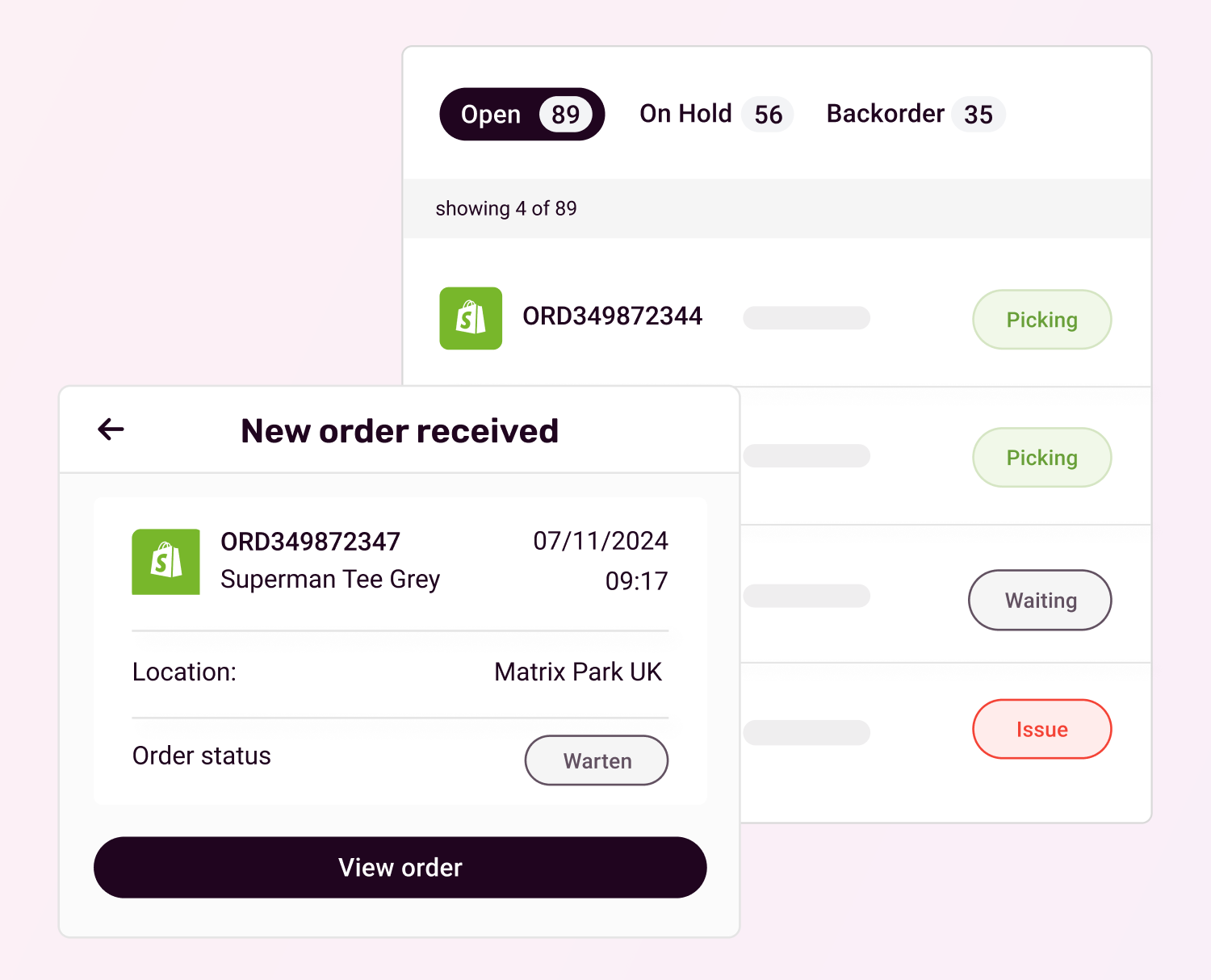
- Order Management System (OMS): Automatically processes orders from multiple sales channels, ensuring swift and accurate handling.
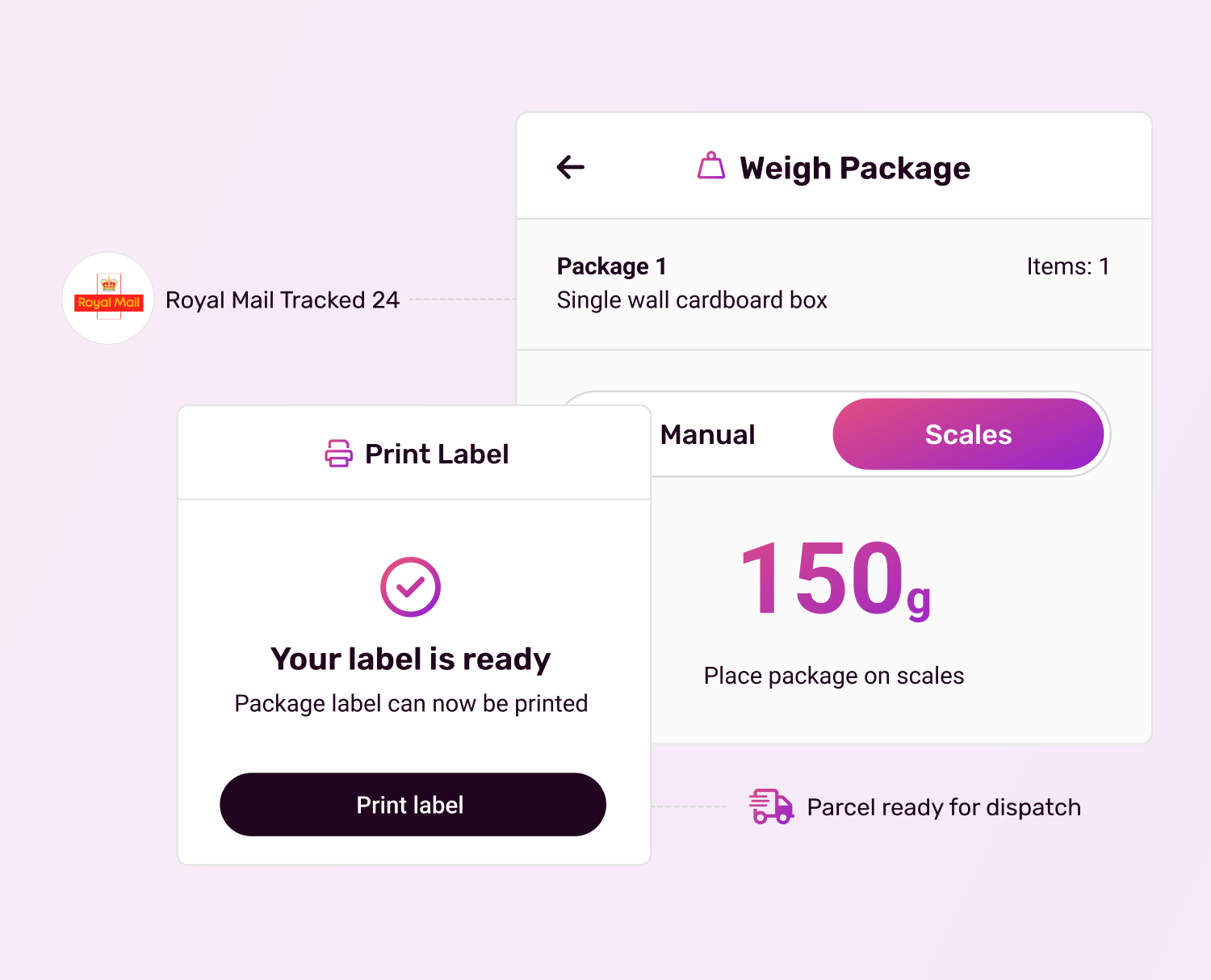
- Warehouse Management System (WMS): Utilises automated workflows for picking, packing, and inventory management, reducing manual intervention and errors.
- Channel integrations: Allows you to connect online stores and logistics operations to centralise inventory management, order fulfilment, pricing and more.
These tools work together to create a seamless fulfilment process, minimising delays and enhancing accuracy.
2. Invest in scalable technology
Your fulfilment provider’s capabilities should grow with your business. Scalable technology ensures you can handle increased order volumes without breaking a sweat – or your budget. Our tech is designed to scale effortlessly:
- Global fulfilment network: Access to a network of modern fulfilment centres across the UK, EU, US and Australia, allowing for rapid expansion into new markets.
- Hybrid operating model: Transforms underutilised warehouse space into productive fulfilment centres, providing flexible and scalable solutions without the need for new construction.
- Cloud-based platform: The fulfilmentcrowd platform is hosted on scalable cloud infrastructure, ensuring it can handle increased order volumes during peak seasons.
3. Prioritise transparency
Customers value communication. Offer real-time updates on order status, estimated delivery times, and even delays. A proactive approach can turn a potential complaint into a show of customer care.
- Real-time inventory tracking: Provides up-to-date information on stock levels across all locations, accessible via the fulfilmentcrowd platform.
- Order status updates: Offers real-time visibility into order processing stages, from picking to dispatch, ensuring you and your customers are always informed.
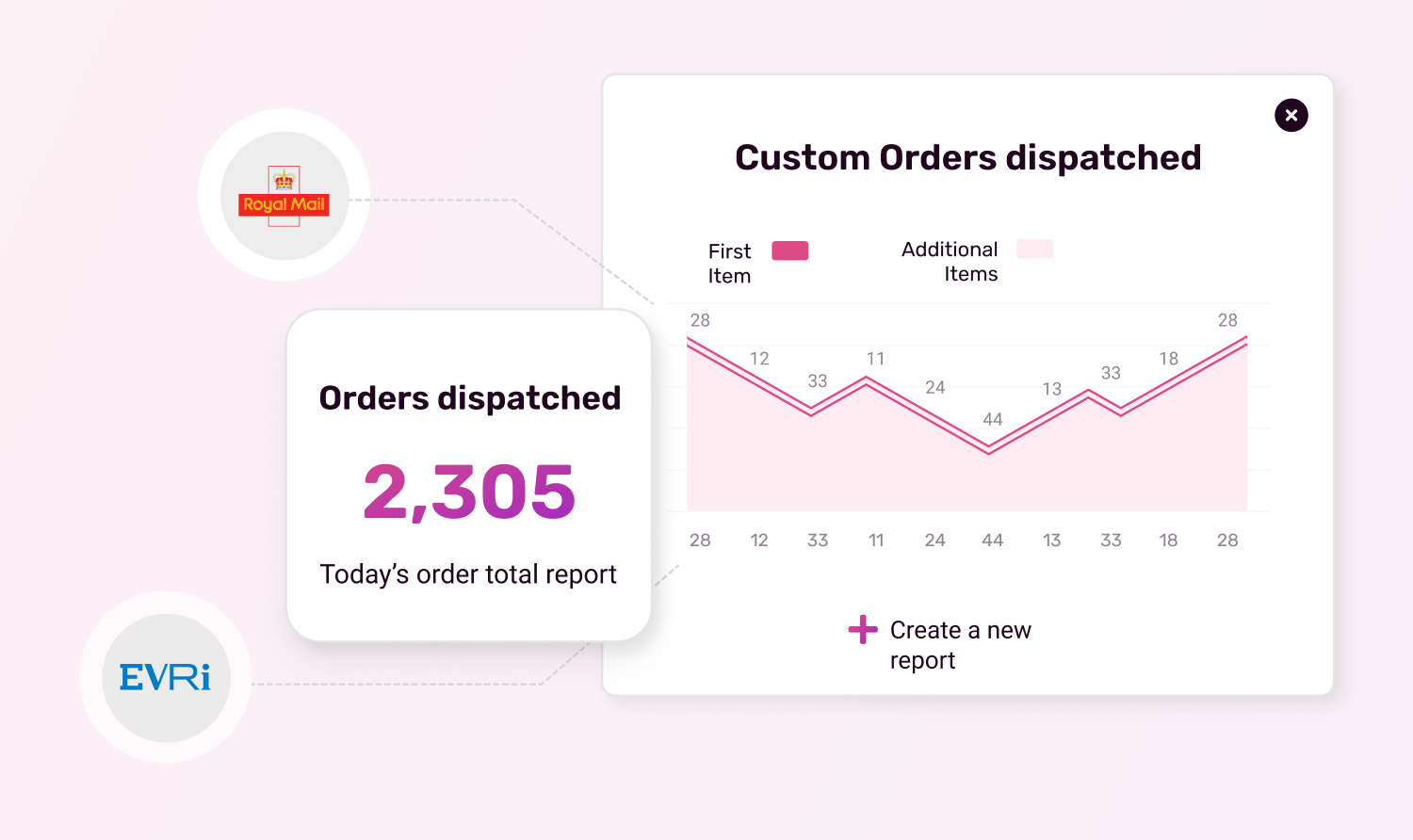
- Custom reporting: Generates detailed reports on various aspects of your fulfilment operations, enabling data-driven decisions.
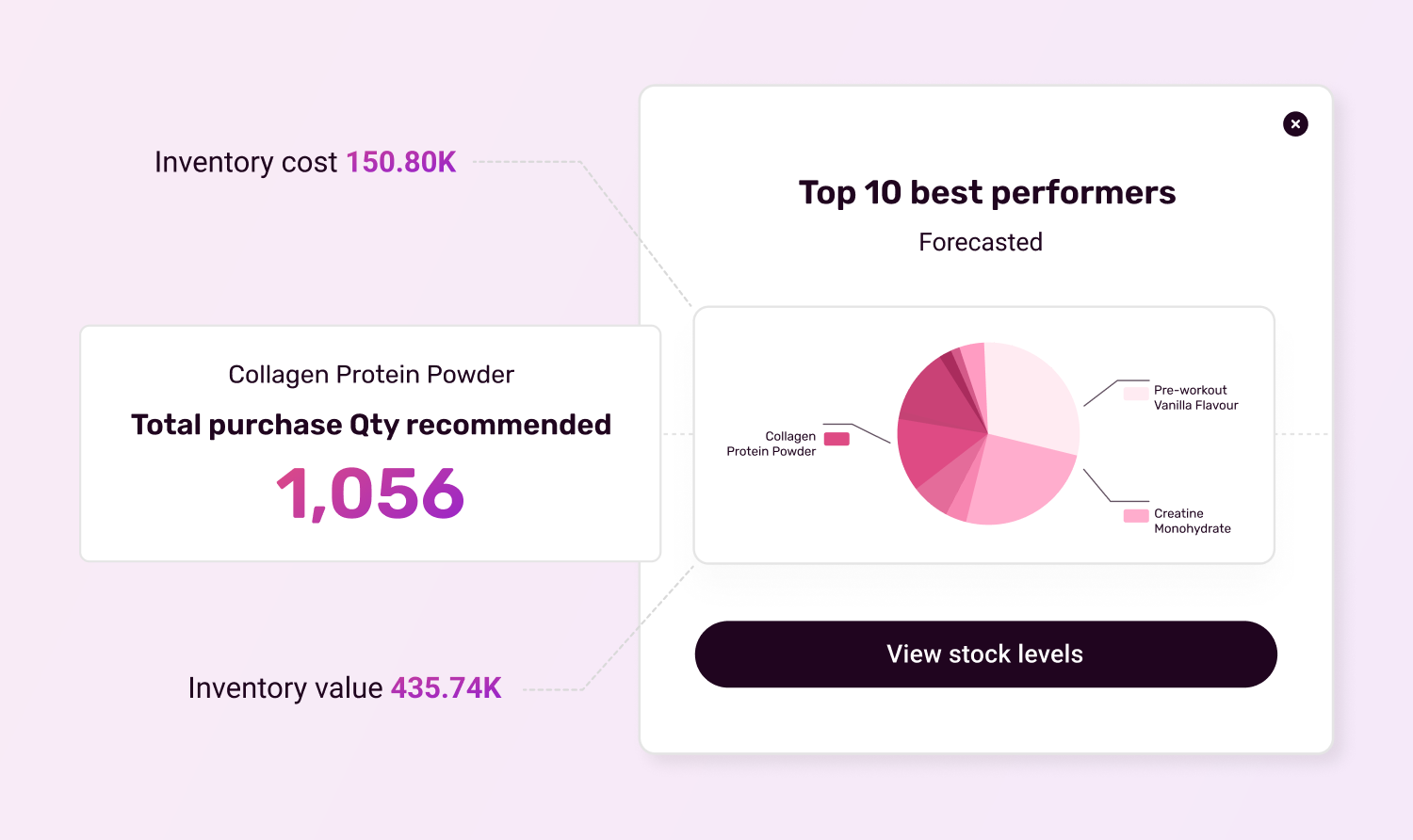
4. Strengthen returns management
Returns are an inevitable part of eCommerce, especially during peak season. A streamlined returns process not only reduces headaches but also builds trust with your customers. fulfilmentcrowd offers a comprehensive returns solution:
- Proprietary returns system: Allows for seamless processing of returns through the fulfilmentcrowd platform, reducing manual effort and errors.
- Global returns hubs: Utilises a network of return hubs to efficiently manage product returns, ensuring quick turnaround times.
- Quality control: Ensures returned products are inspected and processed promptly, allowing for rapid restocking and resale.
5. Partner with experts
If your current fulfilment provider can’t keep up, it’s time to find one who can. fulfilmentcrowd’s expert team, advanced technology, and tailored solutions make us the go-to partner for businesses looking to thrive during peak season and beyond.
Start tracking now to enter 2026 with confidence
Peak season fulfilment is only chaotic if you fly blind. With the right metrics (tracked, benchmarked and reviewed), you can enter 2026 with:
- A more resilient operation
- A leaner cost structure
- Higher customer satisfaction
- Stronger repeat-purchase potential
Remember: success in 2026 isn't about sheer volume, it's about precision, accuracy, foresight and adaptability. With the right fulfilment setup, you'll ensure that these areas don't hold your business back from reaching its potential.


/2026-09-01/Tech.png?width=640&name=Tech.png)