eCommerce fulfilment solutions are no longer judged solely on how quickly they can get parcels from warehouse to doorstep. Although speed remains essential to customer satisfaction, for high-growth brands it should be the minimum requirement.
What separates eCommerce fulfilment solutions is the ability to drive scale without friction. Platform capabilities, integrated technology, operational capacity and impact on customer loyalty are all key features of a successful setup, and should all maintain consistent no matter how fast your business grows.
For brands already working with a 3PL or similar, this shift can become visible before it's identified. Performance likely won't collapse, but growth might feel slower, expansion seems riskier, or margins start to tighten.
Let's dive into what high-growth, international brands should expect from their eCommerce fulfilment solution.
A fulfilment engine built for growth, not just volume
Additional warehouse space and faster picking speeds can all support your business growth, but they won't necessarily drive it.
A lot of fulfilment operations are pretty fragmented: separate tools for orders and inventory, over-reliance on spreadsheets and manual processes holding important functions together.
While this approach can survive early growth, it can break down when international expansion, busy peak periods or omnichannel fulfilment come into the mix.
A truly scalable eCommerce fulfilment solution must provide:
- Centralised order management across all sales channels
- Real-time inventory logic
- The ability to add warehouses, regions and carriers without operational overhaul
- A single operational framework that supports business growth
To put it simply: your business growing shouldn't have to mean rebuilding your fulfilment stack.
See how we helped PHIX scale order volumes by 450%
Technology that protects margin as demand increases
Technology is your primary solution for protecting margin as order volumes (and operational pressures) increase.
Margin erosion is something that happens slowly over time, often through delayed or incomplete information: oversold inventory, missed SLAs and inefficient order routing to name a few.
With all this considered, a high-performing eCommerce fulfilment solution should be built on:
- Real-time inventory visibility across sellable, allocated and reserved stock
- Exception-based alerts that highlight risk before customers feel it
- Demand forecasting tools to maintain optimal stock levels
- Automated rules throughout the fulfilment journey
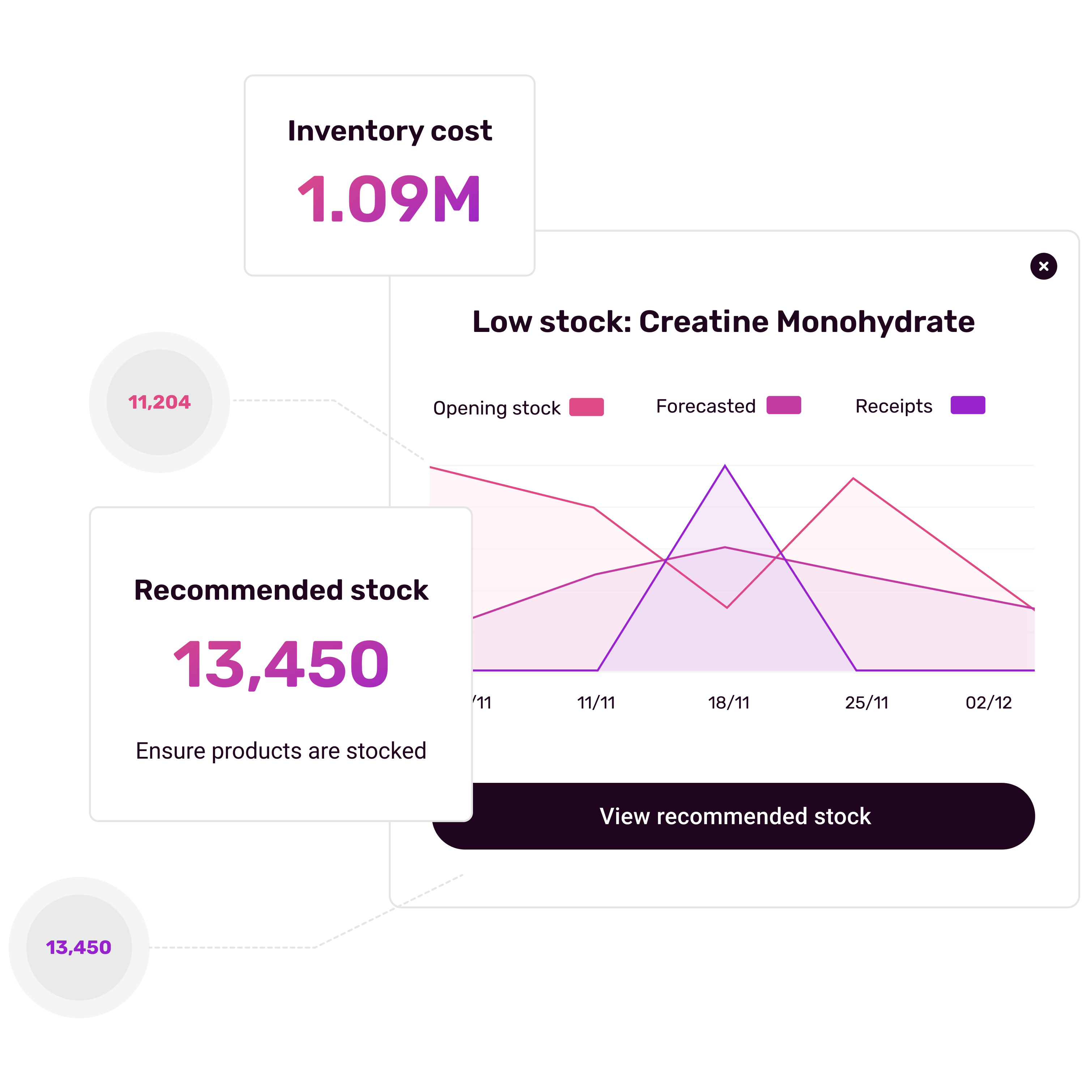
Brands that scale well don't just react to problems faster, they see issues earlier and act proactively. With improved visibility and automation, technology sets the foundations for healthy business growth, and should be a key factor in deciding which eCommerce fulfilment solution to go with.
Learn how our tech makes complex bundling simple for Carabao's DTC UK operation
Customer loyalty is now a fulfilment responsibility
A lot of customer loyalty is built after checkout. Because of this, fulfilment now actively influences retention, repeat purchase rates and brand trust.
Late deliveries, poor communication, clunky returns and slow refunds can all damage trust faster than teams can repair it, meaning proactive measures must be put in place for when things go wrong. As a basic summary, customer's don't distinguish between carrier issues and brand responsibility, they only experience the final outcome.
Because of this, your setup needs to protect loyalty through:
- Proactive delivery communication and real-time transparency
- Branded tracking and post-purchase experience solutions
- Automated, fast refunds when issues occur
- Returns processes that balance customer experience with inventory recovery
Fulfilment shouldn't be considered as invisible infrastructure, but instead a customer-facing loyalty driver (when done right).
See how we supported the growth of the WillPowders community with 99%+ SLA from 1m+ orders
Omnichannel fulfilment without compromising operations
Selling across multiple channels is now standard for high-growth brands, but it's not always simple to execute omnichannel fulfilment effectively.
DTC, B2B, marketplace, wholesale, retail partners – the list goes on. All of these parties impose different requirements on the selling business, and on fulfilment operations. A common failure point forcing every channel through the same workflow; on the other hand, if you go too far the other way, you end up with disparate systems and data points that don't speak to one another.
A good fulfilment setup will support omnichannel growth by:
- Enabling channel-specific SLAs, workflows and fulfilment rules
- Segmenting inventory intelligently
- Providing unified operational and performance views across all channels
- Allowing B2B and DTC to scale together without conflict
When done right, omnichannel fulfilment should increase your resilience without adding any unnecessary complexity.
Think brand builder, not box mover
A clear sign that you've outgrown your provider is when fulfilment starts feeling purely reactive. Orders might be shipped and issues resolved, but insight, guidance and forward planning are lacking.
Brands with big aspirations need a provider that doubles as a strategic partner, not just a passive vendor that gets parcels from A to B.
This includes:
- Regular performance reviews with actionable insight
- Data-led recommendations, not just static reporting
- Strategic input on peak planning, network design and expansion
- A fulfilment roadmap that evolves alongside your brand

Strong fulfilment partners don't simply execute instructions, but also challenge assumptions and help you avoid costly mistakes.
See how we helped British fashion icon Ed Hardy complete its post-Brexit resurgence
International-ready solutions by default
For ambitious brands, international growth of some kind is more likely than not. Expanding cross-border means new revenue streams, a wider audience and more international brand exposure.
But going international can bring its complications: tax, compliance, carriers, consumer expectations and returns.
Without the right fulfilment infrastructure, international growth can leave brands feeling as though they shouldn't have bothered in the first place. But, with the right setup, it can take a business to the next level.
Future-ready solutions support:
- Distributed inventory placement across regions
- Localised delivery experiences in new markets
- Simplified and cost-effective cross-border returns
- A centralised operational view across regions and currencies
International scale should feel like a natural next step that's supported by effective fulfilment, not something that just adds extra pressure and complication to your teams.
Read the Calla Shoes story, a journey from boutique store to global brand
What this all means for brands
Businesses that scale with confidence aren't the ones simply choosing faster eCommerce fulfilment solutions, but those that combine speed with technology and tools that impact customer experience and support growth.
A good provider will prioritise:
- Visibility over guesswork
- Technology over manual processes
- Loyalty protection over short-term efficiencies
- Unified platforms over disconnected systems
How healthy is your current fulfilment setup?
Unsure whether your current fulfilment solution is accelerating your growth or holding you back? We'll help you find out.
Our Fulfilment Health Score Quiz takes under two minutes to complete and highlights where your current setup supports scaling, and where improvements could unlock extra performance.