Black Friday 2026 is approaching, and the results from 2025 offer UK eCommerce brands plenty to think about.
IMRG data shows that UK online retail revenue fell 1.2% year on year across the eight-day Black Friday period in 2025, despite Black Friday itself recording growth.
At the same time, shoppers were discovering products through AI tools, retailers were starting promotions earlier, and order volumes didn't always move in line with revenue.
For brands, these moving parts create a new kind of peak-season challenge.
The area of focus has moved beyond simply preparing for more sales, with success relying on making the most of every order and ensuring your fulfilment operation can respond when shopping patterns change.
Let's explore what Black Friday 2025 taught us and what your brand should be doing differently ahead of Black Friday 2026.
What Black Friday 2025 tells us about this year's event
Black Friday remains a major event in the UK retail calendar, but 2025's data shows that demand doesn't always follow the pattern brands expect.
IMRG reported a 1.2% year-on-year decline in online retail revenue across the eight-day Black Friday period, while Black Friday itself still performed, growing 1.3%.
It was in fact the Tuesday before Black Friday that recorded the highest positive growth of 4.4%, showing retailers that going early can bring rewards if the offer is right.
Cyber Monday, meanwhile, saw revenue fall 3.2%.
Looking into IMRG's daily data shows that order volumes grew faster than revenue on Black Friday; in other words, retailers were processing more orders without seeing the same growth rate in sales value.
What this shows is that brands should be forecasting order volumes alongside revenue in preparation for demand fluctuating across the promotional period, keeping a close eye on the cost of fulfilling each order.
A successful Black Friday goes much deeper than just sales numbers or revenue. If you're selling a much larger share of stock but not seeing much profit – or returns eat into your margin – it's difficult to consider your promotion an overwhelming success.
Looking ahead to 2026 Black Friday
We're pretty confident you'll have seen your fair share of Black Friday predictions over the years.
Black Friday as a whole has changed quite significantly since the days when it was all about the midnight stampede in stores. Now, it's much more of a winner-takes-all online battleground, where consumers rush to fill their baskets in the convenience of their own homes.
Taking place on Friday 27 November, the event is (largely) exclusively online in 2026, with shoppers expecting lightning-fast deliveries, simple checkout experiences, and clear communication on stock levels and return policies.
Retailers that can meet these expectations will come out on top, while those who can't will risk losing valuable customers to competitors.
This year, we're expecting a continuation of several key Black Friday trends, with some new shopping behaviours taking centre stage.
Mobile shopping dominance
Mobile shopping continues to be the main source of online purchasing in the UK, with 55-57% of all eCommerce purchases and 80% of all retail traffic coming through mobile phones.
Optimising for mobile shopping and ensuring that fulfilment systems can handle the increased volume of convenient purchasing is essential.


The social commerce boom continues
Once upon a time, shoppers scrolled for inspiration and bought elsewhere. Now, they scroll and buy in the same place. Social commerce has been around for a while now, especially thanks to platforms like TikTok, meaning Black Friday commerce isn't just about your website anymore.
Like we said, social commerce has been around for a while (or what's now considered 'a while' against the rate of change these days). But, it's still growing fast – UK social commerce sales are predicted to reach £11.75 billion in 2026, up from £9.1 billion in 2025. It's a big jump, and one that your brand needs to be aware of.
Buy Now, Pay Later (BNPL)
Or as we like to call it, ‘Try Now, Pay Never’ (trademark pending). BNPL services continue to be widely adopted across UK eCommerce, with shoppers likely to take advantage of flexible payment options – especially around November and December.
As of 2026, 54% of UK adults have used BNPL, up from 42% in 2025. Having flexible payment options in place before Black Friday can help attract shoppers that might not have considered you previously.


Sustainability and ethical shopping
Consumers are increasingly aware of their carbon footprint and are opting for brands that use eco-friendly packaging and carbon-neutral delivery services.
Sustainability can play a key role in customer retention after the peak season rush, with 65% of consumers saying their concern about environmental sustainability has increased over the last two years.
AI-assisted shopping is more prominent
Black Friday shoppers have always compared products and searched for the best offers, but how they're doing it has changed. More consumers are now using AI tools to instantly research products and narrow down their options before they've even visited an eCommerce website.
Not only did referral traffic from AI platforms increase by 1,439% between October 2024 and August 2026, but also converted 20% more frequently than non-AI referred traffic. Your customers are often making decisions long before they've even landed on your site, so make sure your product page information is as up-to-date and transparent as possible so there's no gap between your website and what the AI platform tells potential customers.

Promotional periods will remain stretched
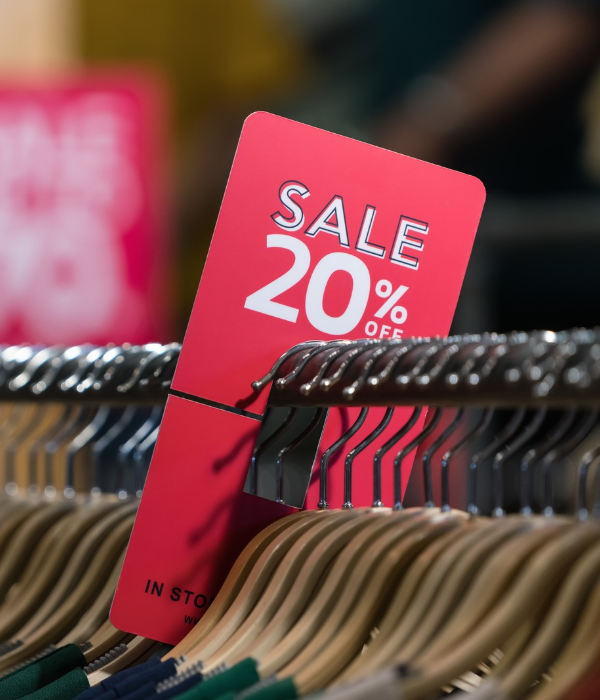
How early is too early? What happens if our competitor gets the jump on us? Many retailers are already launching campaigns earlier and running them for longer, giving brands a new conundrum of when to launch their Black Friday campaign (it'd be much easier we kept it at Friday).
Looking back at 2025, Black Friday ran as a multi-week promotional window, with many brands launching deals from as early as 1 November. Who knows when everything will start this year?
What should UK brands do to prepare for Black Friday 2026?
Now that you've got our Black Friday predictions, it's about time we give you some actionable advice to stay well ahead of this year's trends.
Black Friday 2025 showed that more traffic doesn't always mean more revenue, and more orders don't necessarily mean bigger profits.
For UK brands heading towards Black Friday 2026, the focus should be on making the most of demand while keeping fulfilment and the customer experience under control.
Here are some areas worth prioritising.
Plan promotions around profitability
Black Friday doesn't have to mean discounting everything. With shoppers becoming more selective, the temptation can be to offer bigger discounts to generate sales. But a busy Black Friday isn't much use if margins disappear in the process.
Think carefully about which products you're promoting and how much discounting makes commercial sense.
Bundles, exclusive offers and incentives for existing customers can all create value without needing to rely entirely on price reductions.
And remember: promotions affect more than just marketing. If you're expecting a particular product to sell quickly, make sure inventory and fulfilment teams know what's coming.
Make products easy to discover and buy
AI-assisted shopping is becoming a big part of how the everyday customer researches products and compares deals. This alone makes clear, accurate product information particularly important heading into Black Friday 2026.
Customers should be able to clearly understand what they're buying and when they'll receive it without having to search for the answers.
The same applies to your checkout experience. Make sure your website performs well and payment options are flexible and straightforward.
You work hard to attract customers during one of the most competitive retail events of the year. Don't lose out on revenue because you've made buying more difficult than it needs to be.
Keep your inventory connected across channels
If you're selling through your website, Amazon, TikTok Shop or other marketplaces, Black Friday can have a habit of pulling you in several directions at once.
Creating demand across multiple channels is a good thing, but only if your inventory information can keep up.
When stock levels aren't synchronised, one channel might continue to sell a product that's already sold out elsewhere. During peak, when products sell fast, it creates a high risk of overselling or cancelled orders.
Connected inventory technology not only gives your team a clearer view of what's available across the operation, but it also makes it easier to spot fast-moving products and respond when a promotion performs better (or worse) than expected.
Make sure fulfilment can handle the busiest days
When it comes to peak season and the big retail events this time of year brings, performance can vary hugely from one day to the next.
Your fulfilment operation therefore needs to handle the busiest expected days, not just the average order volume across November.
A scalable, outsourced fulfilment operation can take away many of the headaches associated with peak season, reducing the amount of day-to-day logistics management your brand needs to take on.
Be realistic about delivery expectations
Customers shopping around Black Friday and Christmas want to know when their orders will arrive. It's your job to make that information readily available and easy to find, including your shipping cut-offs.
As well as this, it's also well worth building flexibility into your logistics operation, especially around peak. Having access to different carriers and delivery services can help you respond when networks become busy or particular services experience disruption.
And, if something does go wrong, communicate early. A realistic delivery promise and a useful tracking update will always create a better customer experience than an ambitious promise followed by silence.
Prepare for the returns before the rush
The increase in orders through November and December often mean more returns in the weeks that follow.
Firstly, it's important to ensure your returns policy is easy to find and understand, and that buyers know how to send products back.
A US study found that 38% of consumers expect fast returns processing, and 50% of shoppers say free returns increase their likelihood to buy online, so getting things right in both directions of the logistics journey is important.
Not only are returns important to your customers, but also to your margins. The faster sellable products move back into stock, the sooner they can generate another sale.
If you're selling internationally, returns can become even more of a necessity to get right. Shipping items cross-border – and then back again – can cause significant damage to your margins, so consider setting up local returns hubs to facilitate international returns.
How fulfilmentcrowd helps brands prepare for Black Friday
Black Friday brings more orders and higher expectations across the board – and with it, more pressure on the people responsible for getting your products out to customers.
Preparing for this demand shouldn't mean your team needing to spend November managing warehouse capacity or checking stock levels, and especially not manually moving order information between systems.
At fulfilmentcrowd, we make retail events like Black Friday much easier on your brand, combining scalable fulfilment technology with best-in-class operational performance.
By bringing every channel and location into one platform, you'll find it easier to stay in control and on top of your fulfilment operation as orders come in from multiple systems.
With orders moving automatically into fulfilment and stock levels updating in real time, working with a provider like fulfilmentcrowd helps you make the most of demand and focus on growing your business.
Giving you the chance to split stock across up to 17 worldwide locations and integrate hundreds of sales channels into one platform, fulfilmentcrowd is built for high-growth brands looking to make the most out of big retail events like Black Friday 2026.
Final thoughts: making Black Friday 2026 count
Black Friday 2026 is another opportunity for UK eCommerce brands to attract customers and build momentum heading into Christmas and 2027.
There's a lot to be learned from 2025: more traffic doesn't always mean more revenue, and more orders don't automatically mean more profit.
But as we approach 2026, the fundamentals stay the same: plan early, understand your customers, keep inventory under control and make sure your fulfilment operation can cope with whatever's to come.