Peak trading periods like Black Friday, Cyber Monday and the festive season remain the biggest revenue opportunities for eCommerce brands, but they're also the time when any operational cracks rise to the surface. Stockouts, poor demand planning, slow fulfilment and a surge in customer "Where's my order?" queries can all eat at your profit when it should be at its highest.
Mistakes linked to ineffective fulfilment processes or poor inventory management can be severe – in fact, stockouts cost the global eCommerce market $1.2 trillion a year. The impact of these errors on individual brands can range from lost revenue, increased costs or long-term customer frustration (or even all three combined).
That's why we've written this guide, to help your brand patch up the most common eCommerce fulfilment challenges and prevent them reoccurring in the future.
What can poor peak season performance cost my business?
Before we jump into the solutions, let’s get real about what’s at stake. A peak season that doesn’t hit the mark can be costly, not just for profits, but also for customer relationships and brand reputation. Here are some of the biggest costs of a lacklustre peak season:
- Missed revenue opportunities: Shoppers are ready to spend, but if you’re not equipped to handle demand, those sales go to the competition.
- Rising operational costs: The costs associated with last-minute solutions can add up quickly, especially if you’re scrambling to fix problems rather than preparing for them.
- Damage to customer loyalty: Customers expect smooth, fast, and reliable service. If peak season lets them down, they may not come back for more.
Luckily, there are ways to regain control. Below, we’ll break down some of the most common issues and how to turn things around.
Fix the #1 revenue killer: Inaccurate demand forecasting
Poor forecasting doesn't just cause stockouts – it pushes costs up across your entire operation. Underestimating demand, especially during peak season, can leave customers frustrated if they can't get the products they want, and overestimating simply ties up revenue in excess stock.
The challenge:
- Overstocking or understocking: It’s all about finding the right balance, but it’s easier said than done.
- Stockouts: Nothing frustrates a customer like finding their favourite item out of stock during peak season. Over two thirds (69%) will abandon their purchase and shop with a competitor if their desired item isn't available.
How to fix it:
- Blend three data sources: Last year's sales, real-time data and forward-looking market signals.
- Forecast by SKU, not category: Modern demand forecasting tools now produce more granular predictions to avoid overstocking on the wrong lines.
- Plan replenishment windows: Lead times are longer during peak periods, so lock in replenishment and carrier capacity early.
- Model scenarios: Best-case, worst-case; retailers that plan for volatility are better prepared for peak season surprises.
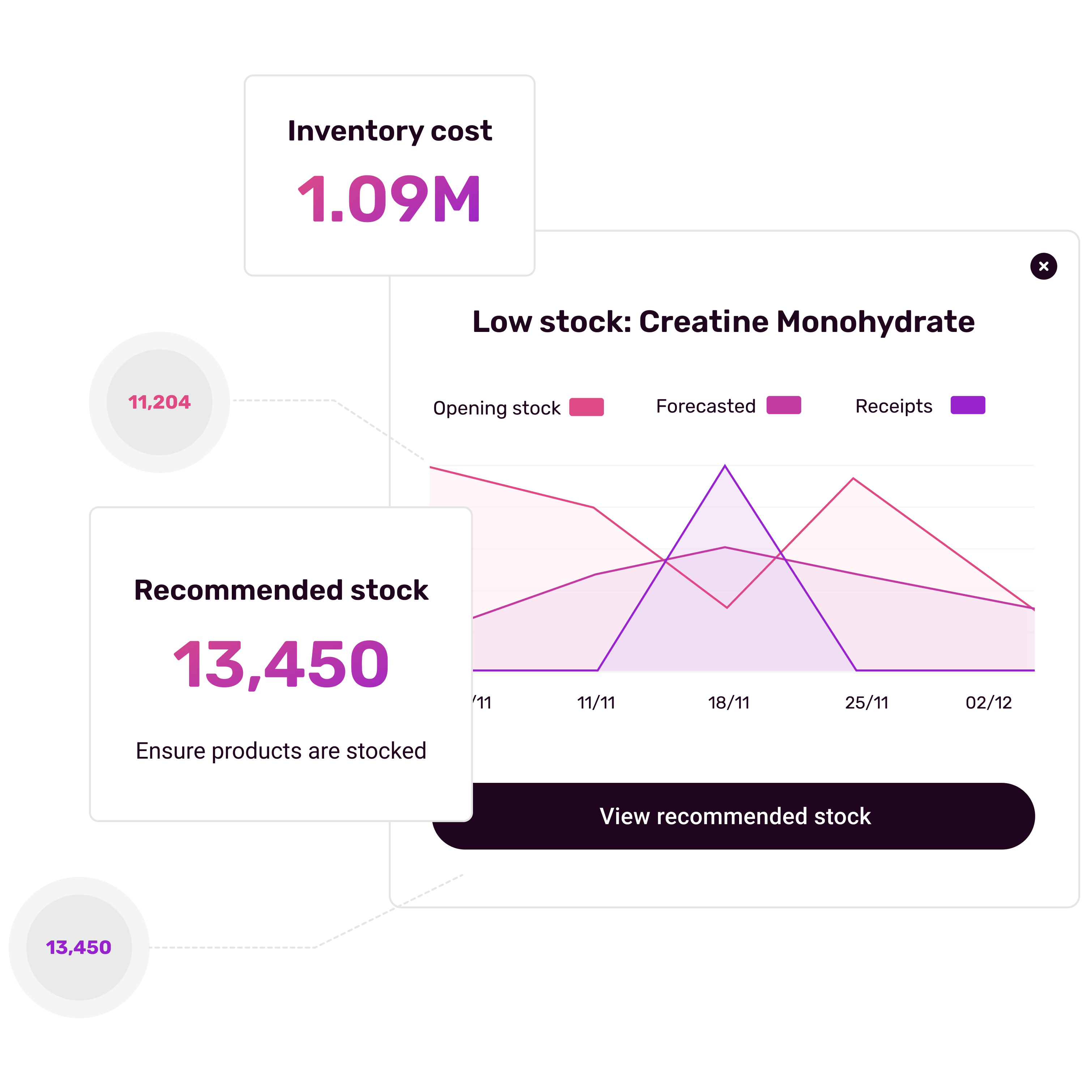
The impact of all this? Fewer stockouts, less revenue in excess stock, a smoother cashflow and a significant reduction in avoidable fulfilment costs.
How to limit rising operational costs before and during peak season
It’s no secret that peak season can stretch your budget. But if rising operational costs are eating into your revenue, it’s time to take a closer look.
The challenge:
- Last-minute fixes: High demand leads to quick, often costly fixes. While they work in a pinch, they’re not sustainable.
- Labour costs: Bringing in extra hands for peak season is essential, but without the right strategy, it can become a strain on resources.
The fix:
- Tighten demand forecasting to avoid emergency costs: Last-minute stock replenishments are costly during peak, if you can even get your hands on them at all.
- Optimise warehouse workflows: Review picking routes, SKU storage locations and packaging process to generate warehouse efficiencies.
- Lock in carrier capacity early: Carrier charges can increase when capacity is tight. Secure volume commitments before Q4 2026 to reduce these costs next peak.
- Use multi-node fulfilment networks: It's simple, really: placing products closer to your customers reduces shipping times and costs. Tapping into a fulfilment network with multiple centres helps you achieve this.
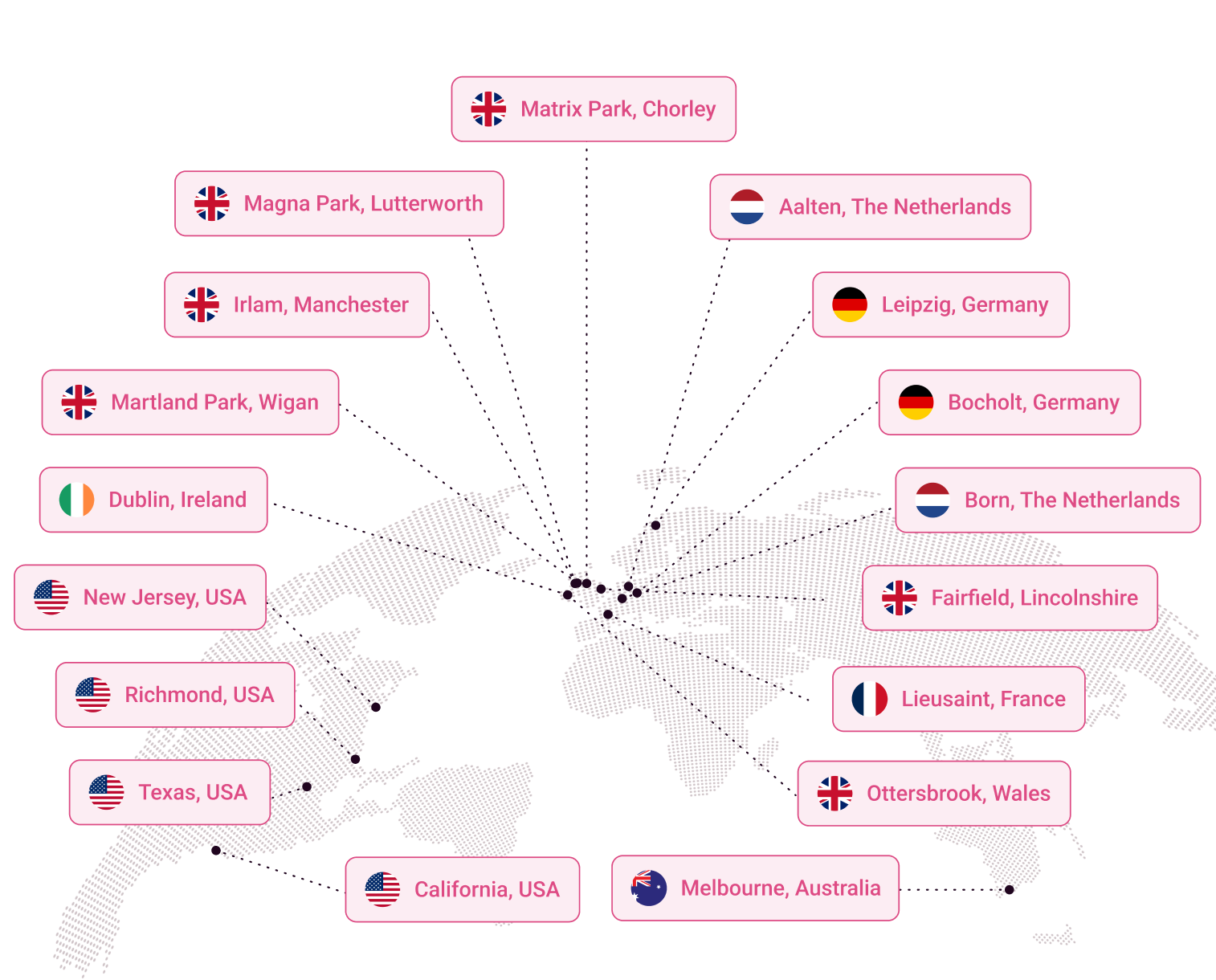
Getting these into place before the next peak season will help you create a more predictable operational performance, reducing the chance of unexpected costs.
Avoiding underperforming or ineffective marketing campaigns during peak
Marketing campaigns can be hit or miss, especially when everyone’s competing for attention. If your campaign isn’t pulling in the crowds, you may need to rethink your approach. This is especially important during peak periods, such as Black Friday and Cyber Monday.
The challenge:
- Over-reliance on discounts: While discounts can draw people in, they’re not always the most effective way to boost revenue.
- Missed targeting: With the wrong target audience, even the best offers will fall flat.
The solution:
- Base campaigns on reality, not assumptions: Prioritise SKUs with strong stock positions and proven conversion. Avoid over-promoting slow-moving or low-stock items that could result in customer frustration.
- Shift messaging from discounts to value: The modern shopper is savvy to the latest discounting tactics. Consumers respond more positively to value, quality, reliability and speed of returns over endless markdowns.
- Align promotions with fulfilment: Communication with your fulfilment provider is essential during peak; ensure they're aware of all promotions you plan to run so they can adjust operations accordingly. Be transparent with customers and don't overpromise – it's the fastest way to kill trust.
- Monitor performance in real-time: Peak season is like the Wild West for eCommerce brands. If things are underperforming, monitor them closely and don't wait too long to optimise or pivot. Refresh creative quickly and shift spend to proven audiences.
Standing out during peak can be a tough ask, but with the above tactics taken into account, you'll have a good chance of improving campaign ROI, running into fewer stock-related issues and improving the customer experience.
Real brands, real tales
Fashion fulfilment with a side of 450% order volume growth. Here's the PHIX story.
Start the adventure here







How to fix customer service overload during peak season
Customer service can be a make-or-break aspect of peak season. When customers have questions or concerns, they want fast, friendly help. But if your customer service isn’t up to par, you risk losing them.
The challenge:
- High volume of enquiries: More sales mean more questions, from delivery updates to return policies.
- Long wait times: Customers expect quick responses, especially during peak periods.
How to fix it:
- Provide real-time tracking: The majority of queries during peak season are classed as WISMO (Where is my order?). With real-time tracking, customers can monitor the progress of their orders, making them feel more informed and less likely to reach out to support.
- Publish clear product information and FAQs: Returns information, sizing guides and answers to common questions can all provide customers with what they're looking for without needing a customer support agent's help.
- Offer self-serve returns: Self-serve returns cut a significant support load as they remove the need to email support for labels, instructions or updates. It's more convenient for customers, too.
Combining these tactics should contribute to lower ticket volume, faster response times and happier customers. By reducing the load on your support teams, they'll have more breathing room to offer customer service that your brand can be proud of.
Stop returns from draining peak profit by building a reverse logistics strategy
Returns are an inevitable part of retail, especially after peak season. But if not handled well, they can become a logistical – and financial – nightmare.
The challenge:
- High return volumes: Customers buy more during peak season, meaning they return more, too.
- Costly reverse logistics: Processing returns can be expensive, eating into your profits.
What to implement:
- A clear, visible returns policy: Customers convert when returns terms are transparent at/before checkout.
- Automated returns portal: Customers can self-serve returns, print labels and track progress without support.
- Grading and restocking: The faster returned items can be resold, the more revenue you retain.
- Identify returns drivers: Track return reason data to understand common problems and improve product descriptions.

Add this all together, and you'll lower return-related costs and ensure the faster resale of returned items. Less customer frustration, more revenue for your business.
Your peak readiness checklist for 2026
The next peak season will come around faster than you think – it always does. With that in mind, here's a quick checklist of everything you need to prevent lost revenue during peak season.
- Forecast demand by SKU using intelligent demand forecasting tools
- Lock in carrier capacity early
- Pre-build peak season labour plans
- Validate your product data, descriptions and media
- Prepare inventory buffers for top-performing SKUs
- Configure automated customer updates
- Audit your website speed and checkout flow
- Expand customer service capacity or add AI support
- Reconfirm packaging and materials availability
- Finalise your returns workflows and cut-off dates
Some of these are longer term projects, so if they're not already in place, it's wise to start thinking about them soon. Future you will thank you!
Do it all with fulfilmentcrowd
While every peak season brings new challenges to growing businesses, each one has a solution that can help turn things around and maximise your revenue. The fastest way to these solutions? Choosing the right partner.
Peak is the biggest opportunity for eCommerce brands all-year round, but it's easy for things to slip out of control without the right support. With in-house technology, reliable fulfilment performance and a global network, we ensure that brands are never held back from reaching their potential – whether in or out of peak season trading.