Most eCommerce brands start in the same way: one product, one channel, one warehouse. This works – until it doesn't. The moment you start selling across several marketplaces, launching a DTC website or shipping internationally, the operational model you built for a single channel starts to crack.
It's this gap where the concept of an eCommerce fulfilment platform becomes critical. Rapid growth relies on more than just a warehouse that ships your orders, but a technology-driven infrastructure layer that connects your sales channels, manages inventory in real-time and scales with your brand as it grows.
Modern fulfilment has reached a stage where it's no longer just a back-office function. For brands with big growth ambitions, it's an important strategic consideration – and the platform you choose today plays a big role in how fast you can scale.
What is an eCommerce fulfilment platform?
Put simply, an eCommerce fulfilment platform is a tech-led operating environment that combines physical warehousing with integrated software to manage the entire order lifecycle – from inventory receipt to last-mile delivery – across multiple sales channels simultaneously.
An eCommerce fulfilment platform alone is different from what is classed as a traditional third-party logistics provider (3PL). A conventional 3PL receives stock, picks orders and ships parcels – the right platform facilitates all of this and more.
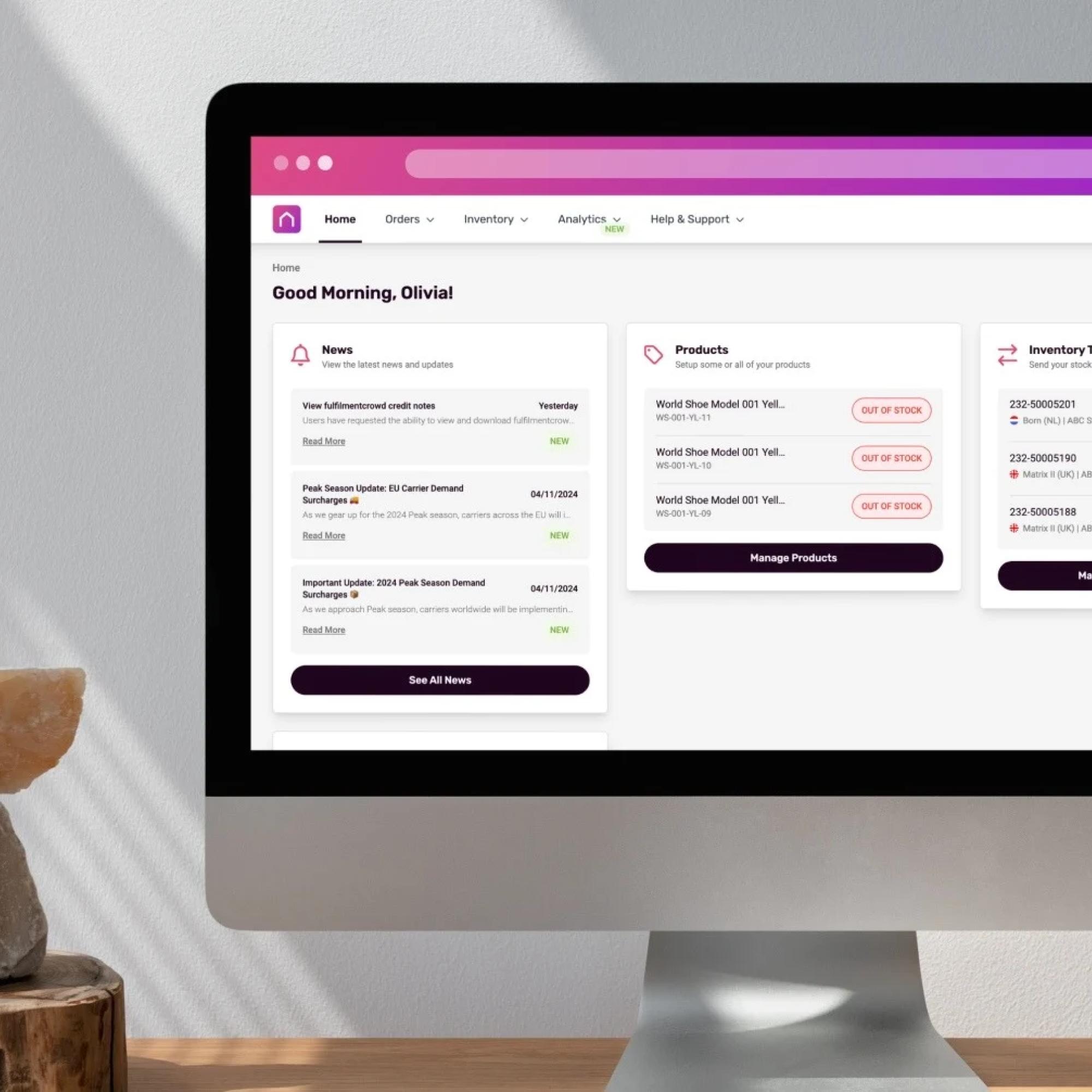
It connects directly to sales channels via API integrations, provides centralised inventory visibility across all locations, automates order routing based on pre-set logic and generates real-time reporting on fulfilment performance.
The key differentiators between platforms are power of technology and intelligence. A true eCommerce fulfilment platform runs on a proprietary or deeply integrated warehouse management system (WMS) and order management system (OMS), giving you a single source of truth for inventory and order data, regardless of how many channels you sell through or how many warehouse locations are in your network.
Where marketplaces can stall growth
Selling on a single marketplace is an optimisation game. You'll learn the algorithm, build your listings around its search logic and manage inventory levels based on demand patterns. Because of this, your fulfilment processes are calibrated around what works best on one platform.
This focus can bring great success for your brand in the early stages. Try to grow beyond the one platform, however, and structural issues can start to appear.
When adding a second marketplace, it's not always a case of complexity simply doubling. Each platform has its own order formats, SLA requirements, returns processes and inventory allocation logic. Your existing systems, built around one channel, might not be equipped to handle this differentiation. In certain scenarios, you end up managing separate inventory pools and reconciling data manually, often making fulfilment decisions based on incomplete information.
This inventory fragmentation is one of the most damaging consequences of trying to launch your brand across multiple channels or marketplaces. If this happens:
- Stock sits siloed by channel rather than being allocated by demand
- You might oversell on one platform while holding surplus on another
- Customer experience suffers due to differing performance across platforms
- Marketplace performance metrics fluctuate or decline
It's a marketplace growth trap that's not a result of failed ambition, but failed infrastructure. Brands that recognise this difficulty early are the ones that scale more smoothly in the long run.
From marketplace seller to omnichannel brand: Getting there
Getting from marketplace seller to omnichannel brand isn't a straightforward process. It often requires a series of expansions over time, each of which adds a new layer of operational complexity.
Multi-marketplace selling is typically – but not always – the first move: for example, adding Amazon alongside Shopify, or TikTok Shop alongside eBay. Add a new channel, and you introduce higher order volumes, new SLA expectations and extra reporting requirements.
DTC expansion alone brings its own demands. When selling direct, you own the customer relationship – but you also own the fulfilment experience entirely. Packaging, delivery speed, returns and communications all reflect directly on your brand, so getting them right is essential.
When B2B and wholesale enter the conversation, you open the doors to even more complexity. Bulk orders, retailer-specific labelling, EDI requirements and longer payment terms are all examples of where B2B compliance requires different operational handling than consumer orders.
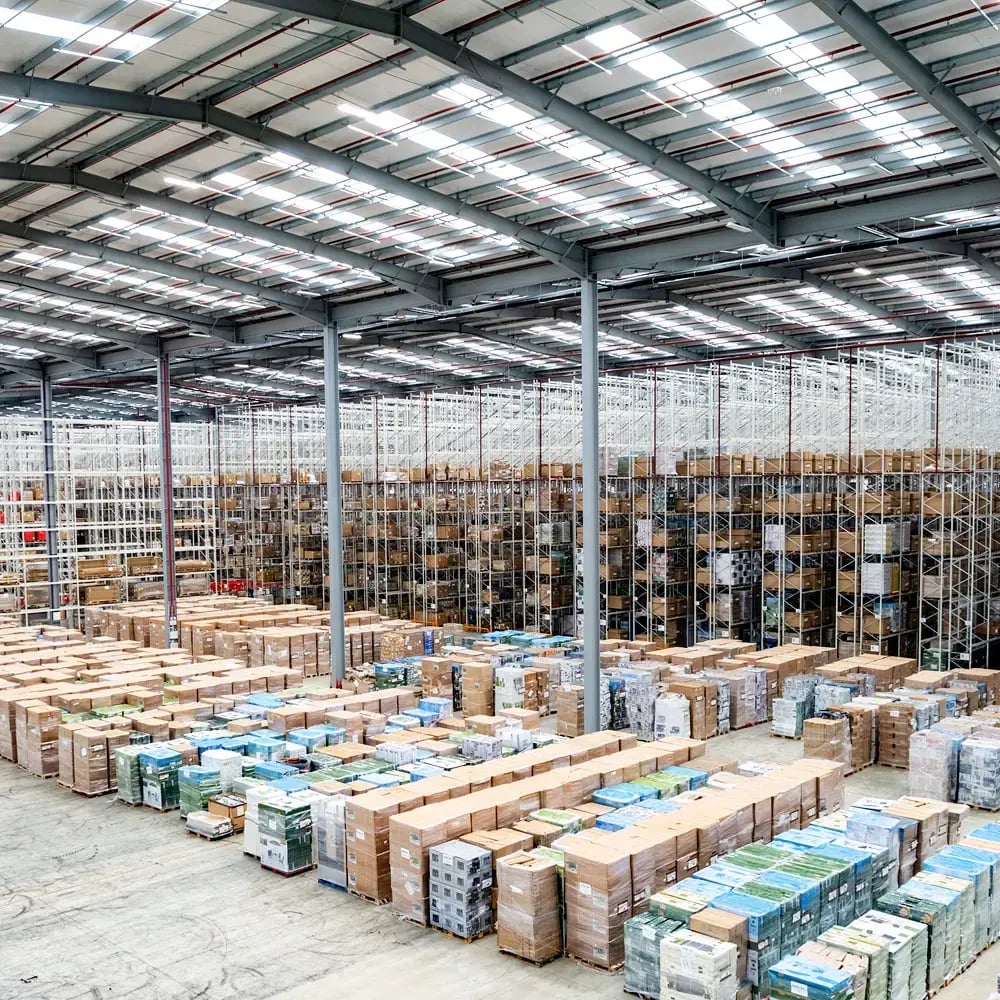
You might also introduce a subscription model, or start selling to customers outside your domestic base; the list goes on, and with it the surface area of your operational complexities. If you've not got the right foundation to support your ambitions in these areas, you can wave goodbye to growth done the easy way.
How technology is behind effective omnichannel fulfilment
The challenges of omnichannel fulfilment stretch into data and technology as much as logistics. The physical movement of goods is always the outcome, but the platform that drives it is the real differentiator.
API integrations are where it begins. A best-in-class eCommerce fulfilment platform will connect directly to every sales channel, allowing orders to flow in and tracking data to flow out without the need for manual intervention.
Centralised inventory control is what sits at the heart of an omnichannel model. Rather than allocating stock by channel in advance, a unified platform allows you to react quickly to demand – no matter where it comes from.
With the right platform, DTC and B2B orders work from a shared inventory pool, but each with their own unique workflows to meet the requirements of each channel. For example, a single-product DTC order will have vastly different demands to a 1,000-unit pallet shipment going into a retailer such as Tesco.
If compliance is built in to your eCommerce fulfilment platform, you'll not only speed up the entire B2B process in the warehouse, but also avoid costly chargebacks or penalties for failing to meet requirements.
Then, to bring it all together, real-time reporting and performance analytics give brand leaders the visibility they need to make informed decisions: which channels are driving demand, where inventory needs rebalancing or which carrier is underperforming in a specific region. Without a reliable data layer, omnichannel fulfilment becomes reactive; when it becomes reactive, problems can scale quickly.
Hear from fulfilmentcrowd Chief Product Officer Austin Waddecar on how our platform serves
both DTC and B2B fulfilment needs – all from a single interface.
Choosing a fulfilment partner (and platform) that grows with you
The fulfilment partner you choose when you're shipping 50 orders a month won't always be the right fit when you reach 5,000 (or 50,000). A lot of brands discover this too late, after they've built integrations, trained teams or embedded the wrong provider into their business. Re-platforming fulfilment at scale is expensive and disruptive.
Securing future-proof infrastructure from the start is the trick. That means choosing a partner with technology that can accommodate new channels when the time's right, a warehouse network that can support international expansion and data capabilities that give you visibility as you grow. Put simply: they need to serve your needs of tomorrow, not just today.
Outgrowing a provider often has commercial repercussions, as every period of fulfilment transition carries the risks of service disruption and customer dissatisfaction. Choose right from the start, and you avoid this entirely.
But what are the indicators of long-term fulfilment reliability?
- Tech at the heart: Effective technology adds efficiencies and visibility to your fulfilment operation, which in turn leads to consistency at scale
- Global presence: If you've got big expansion goals, a worldwide network is key; placing stock in-country cuts shipping miles and makes compliance easier
- Omnichannel support: Growing effectively across channels leads to increased revenue growth; look for a provider that supports both DTC and B2B operations and can integrate their platform with your sales channels
fulfilmentcrowd is built on this model: a global, tech-enabled eCommerce fulfilment platform with a proprietary technology stack, an international warehouse network and omnichannel support – designed to support high-growth brands at every stage of their journey.
So, if you're in the hunt for the right provider to help you scale across channels (and regions), explore our omnichannel capabilities below.