/2026-08-05/68d662ba-40e1-4469-86ae-778a874d8a35%201.png?width=1280&name=68d662ba-40e1-4469-86ae-778a874d8a35%201.png)
Selling through multiple channels is great for growth.
Managing them all? That's where things get complicated.
Many retailers now sell through their own website, online marketplaces, social commerce platforms and even physical stores. Every new sales channel creates another opportunity to reach customers – but it also creates another source of inventory updates, order notifications and operational complexity.
Without accurate visibility, it's surprisingly easy to oversell products, disappoint customers or spend valuable time manually reconciling stock levels.
The good news is that modern omnichannel commerce doesn't have to feel chaotic.
With the right systems and fulfilment strategy, businesses can track inventory and orders across every sales channel in real time, giving teams the visibility they need to make faster, smarter decisions.
What is omnichannel commerce?
Omnichannel commerce is the practice of selling products across multiple connected sales channels while creating one consistent customer experience.
A customer might:
- Discover a product on Instagram
- Compare prices on Amazon
- Purchase through your Shopify store
- Return the item in a physical shop
To the customer, it's one seamless journey.
Behind the scenes, however, every order, inventory movement and return needs to stay synchronised across multiple systems.
That's why visibility has become one of the biggest priorities in modern retail.
Why inventory visibility matters
Inventory is one of your most valuable business assets.
If you don't know exactly what stock you have – or where it's located – it's difficult to make confident decisions.
Poor inventory visibility often leads to:
- Overselling products
- Stockouts
- Delayed fulfilment
- Duplicate purchasing
- Unnecessary storage costs
- Frustrated customers
Real-time inventory tracking helps eliminate these issues by providing a single, accurate view of stock across every sales channel.
Rather than updating spreadsheets manually, businesses can make decisions based on live inventory data.
/2026-08-05/05-08%20-%20Blog%20-%20Image%20-%203-1.png?width=1500&height=1154&name=05-08%20-%20Blog%20-%20Image%20-%203-1.png)
/2026-08-05/05-08%20-%20Blog%20-%20Image%20-%202-1.png?width=1500&height=1154&name=05-08%20-%20Blog%20-%20Image%20-%202-1.png)
Why order visibility is just as important
Inventory is only half the story.
Once an order is placed, customers expect regular updates until it arrives. At the same time, internal teams need visibility into every stage of the fulfilment process.
A connected order management process helps businesses monitor:
- New orders
- Picking and packing
- Dispatch
- Delivery progress
- Returns
- Refunds
When everyone is working from the same information, customer queries become easier to resolve and fulfilment teams can respond more quickly when issues arise.
The challenges of omnichannel retailing
Omnichannel retailing creates enormous opportunities, but it also introduces operational complexity.
Retailers often manage inventory across:
- Their eCommerce website
- Online marketplaces
- Social commerce platforms
- Wholesale customers
- Physical retail stores
- Multiple warehouses
Without integrated systems, each channel can develop its own version of the truth. That's when inventory discrepancies begin to appear.
One system says five products are available. Another says two. Meanwhile, you've already sold six.
A single source of inventory data helps prevent these situations before they affect customers.
How real-time inventory tracking works
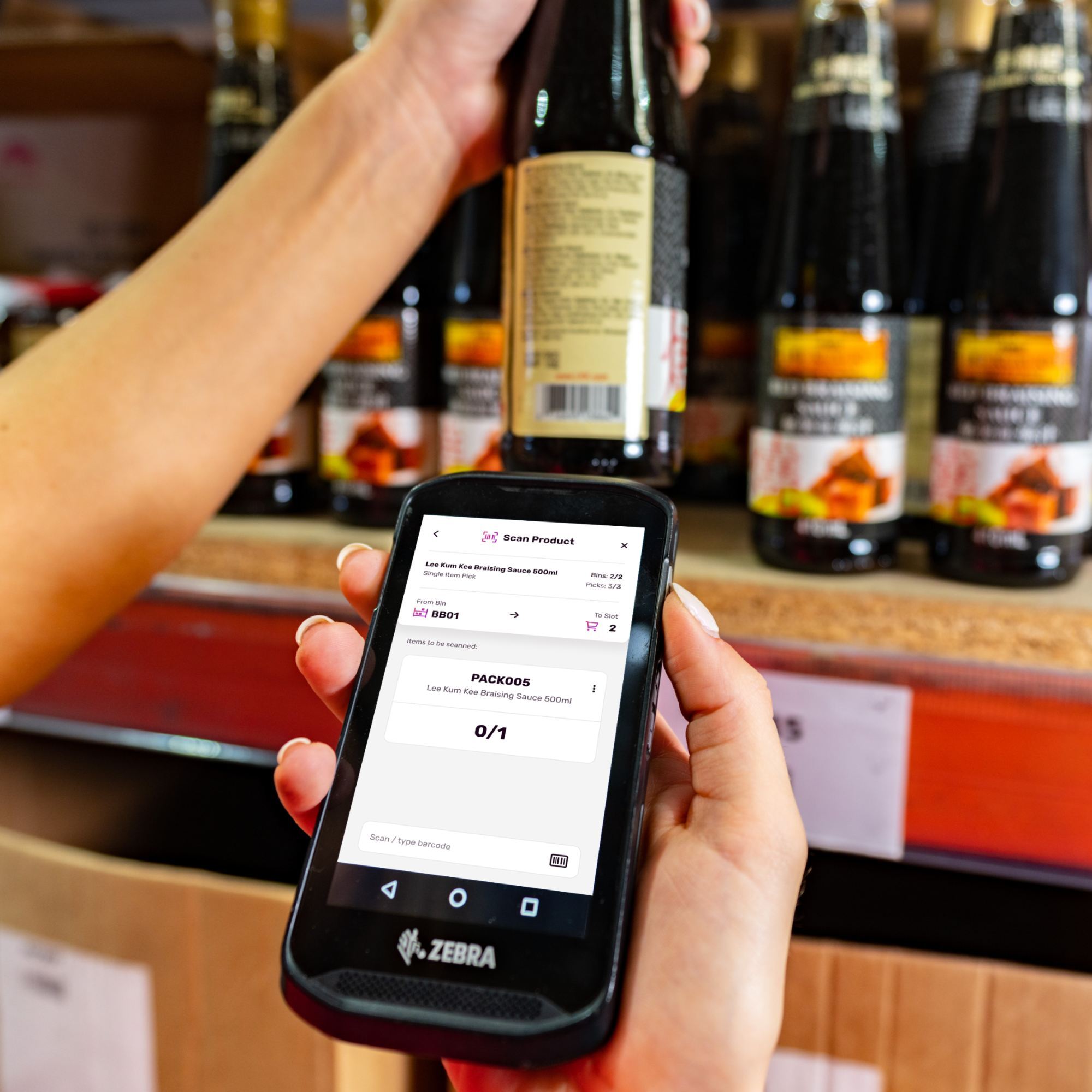
Modern Warehouse Management Systems (WMS) continuously update inventory as stock moves through the fulfilment process.
Every action – whether receiving stock, fulfilling an order or processing a return – updates inventory automatically.
This provides businesses with:
- Live stock availability
- Inventory by warehouse
- Reserved stock
- Available inventory
- Order allocation
- Returns updates
The result is greater confidence when making purchasing, merchandising and fulfilment decisions.
Connecting every sales channel
The most successful omnichannel strategy relies on connected systems rather than disconnected platforms.
Instead of managing each channel independently, retailers integrate:
- Shopify
- WooCommerce
- Amazon
- eBay
- TikTok Shop
- ERP systems
- Warehouse Management Systems
- Shipping platforms
…into one place.
When systems communicate automatically, inventory stays synchronised and orders flow directly into the fulfilment process.
Less manual work, fewer mistakes, more time spent growing the business.
/2026-08-05/05-08%20-%20Blog%20-%20Image%20-%203-1.png?width=760&height=585&name=05-08%20-%20Blog%20-%20Image%20-%203-1.png)
Using inventory data to make better decisions
Real-time inventory isn't just useful for fulfilment teams. It also supports smarter commercial decisions.
With better visibility, businesses can:
- Identify bestselling products
- Spot slow-moving inventory
- Improve purchasing decisions
- Reduce excess stock
- Forecast future demand
- Plan seasonal promotions more effectively
Good data doesn't just tell you what's happened. It helps you prepare for what's coming next. Spooky, but good.
Improving the customer experience
Customers rarely think about inventory management. Frankly, we’d be worried about them if they did. And maybe offer them a job. But we digress.
What they do notice is when something goes wrong.
Real-time visibility helps businesses:
- Display accurate stock availability
- Reduce cancelled orders
- Provide reliable delivery updates
- Improve delivery accuracy
- Process returns more efficiently
Every one of these improvements contributes to a better customer experience – and encourages repeat purchases.

Choosing the right omnichannel strategy
Technology alone isn't enough.
A successful omnichannel strategy combines connected systems, efficient fulfilment processes and accurate inventory management.
When evaluating your current operation, ask yourself:
- Can we see inventory across every sales channel?
- Do stock levels update automatically?
- Can we track every order from purchase to delivery?
- Are our systems integrated?
- Can our fulfilment operation scale as the business grows?
If the answer to several of these questions is no, you’ve likely got opportunities to improve visibility and efficiency.
How fulfilmentcrowd supports omnichannel commerce
Managing inventory across multiple channels becomes much simpler when every system works together.
fulfilmentcrowd's technology connects your sales channels, inventory and fulfilment operation through one integrated platform, providing real-time visibility across your entire order journey.
With connected inventory management, automated order routing and live reporting, brands can:
- Synchronise inventory across channels
- Track orders from purchase to delivery
- Reduce manual administration
- Improve fulfilment accuracy
- Deliver a more consistent customer experience
Whether you're selling through one channel or 20, having a single view of your inventory helps you make faster, more informed decisions.

Final thoughts
As businesses embrace omnichannel commerce, visibility has become just as important as inventory itself.
Real-time order and inventory tracking helps retailers reduce errors, improve customer experience and make better operational decisions.
Rather than juggling multiple systems and spreadsheets, modern retailers are increasingly investing in connected platforms that provide one accurate view of their business.
Because when every sales channel is working from the same information, it's much easier to focus on what really matters – growing your brand.


/2026-09-01/Tech.png?width=640&name=Tech.png)